Take Stock
Understand what you have before you do anything else.
Archive Support
Inherited a box of old photographs and don't know where to start? This simple step-by-step guide will help you take control, protect your memories and decide what to do next.
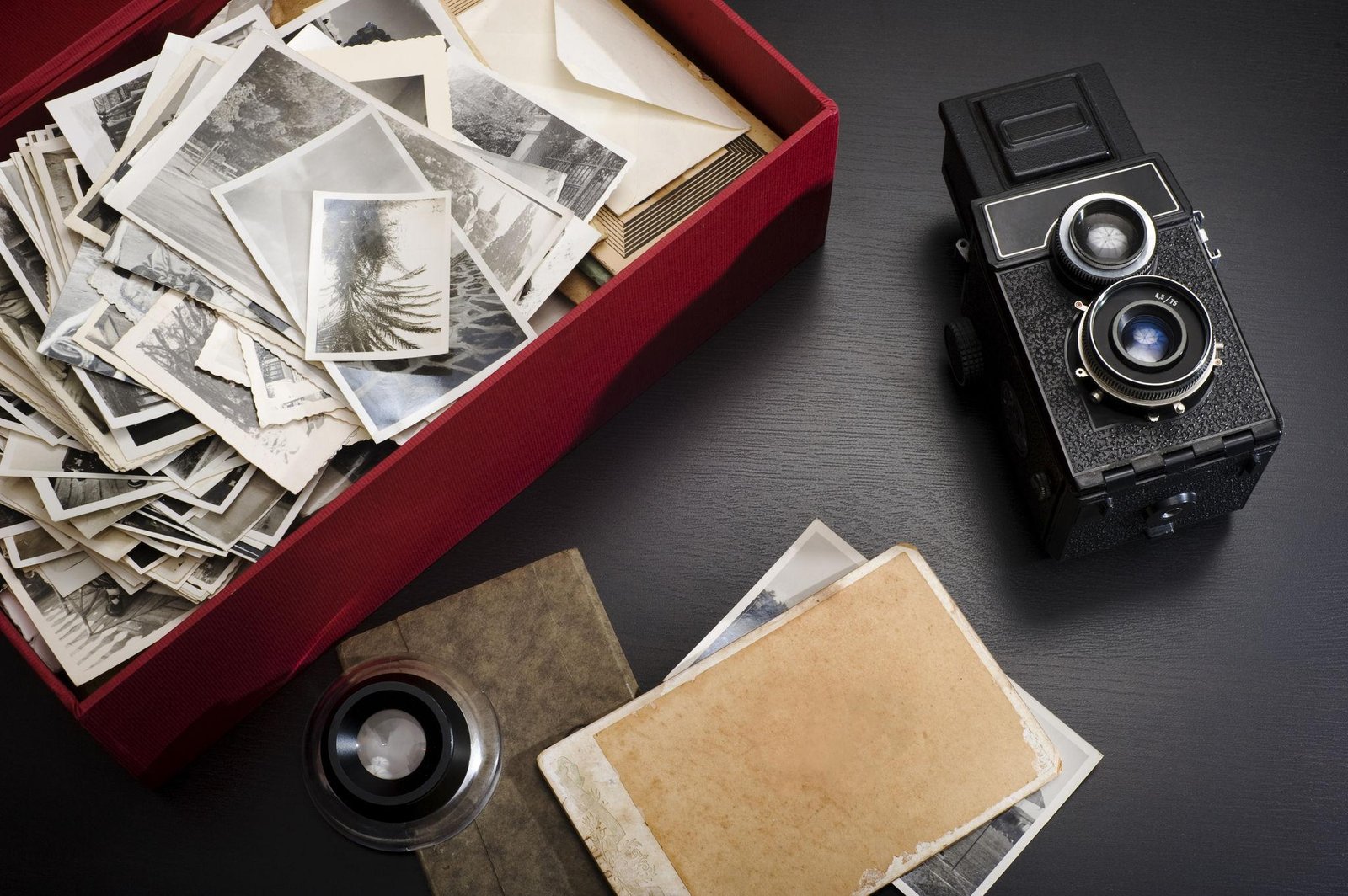
It can feel overwhelming, but you don't have to tackle everything at once. These steps will help you make smart decisions and avoid causing further damage.
Understand what you have before you do anything else.
Look for obvious damage, risk factors and urgent priorities.
Create simple categories to bring order to the collection.
Preserve, scan, restore or organise — or a combination.
Store your photographs correctly to protect them for the future.
Helpful Guidance
You don't need specialist equipment or perfect conditions. You just need a calm space, a little time and the right information.
A Common Question
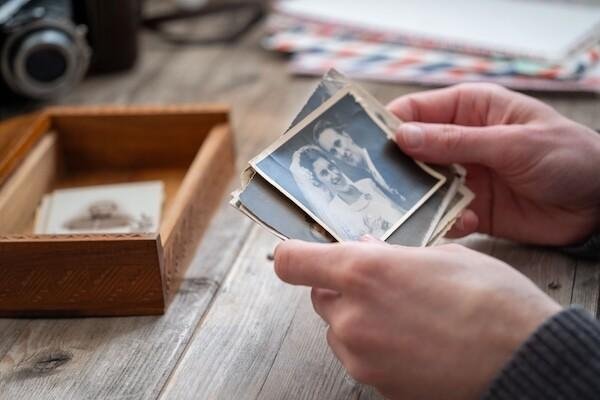
Most people want to start scanning immediately. In reality, a quick assessment first usually prevents mistakes and saves time later.
Damaged photographs may need cleaning, separating or stabilising before scanning.
Names, dates, envelopes and seemingly unimportant items often contain valuable context.
Water damage, mould, active deterioration and unique photographs should be addressed first.
Family groups, locations, events and decades can provide an easy starting point.
Need Personal Help?
Some collections need a professional eye. Whether you need help assessing damage, creating an inventory or planning your next steps, we can help you protect what matters most.
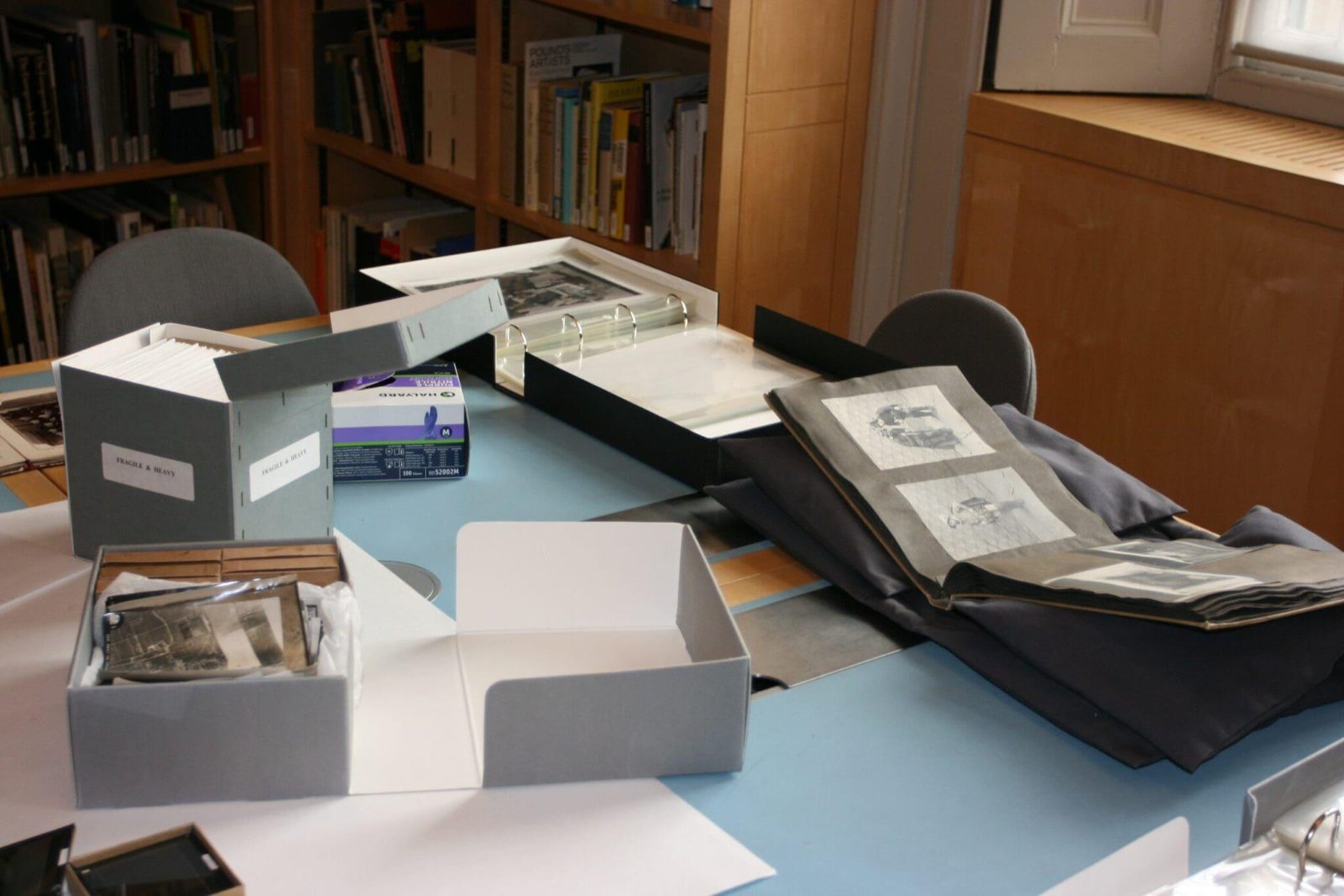
Start by taking stock of what you have. Avoid writing on photographs, removing items from albums or attempting repairs. A simple assessment will help you identify any urgent preservation concerns and decide on sensible next steps.
In most cases, no. A basic sorting and assessment process first can help identify damaged photographs, duplicates and important contextual information that may otherwise be overlooked during scanning.
Many damaged photographs can be improved through careful restoration. Tears, creases, fading, scratches and missing areas can often be repaired while preserving the original character and appearance of the image.
Keep all photographs, notes, envelopes and related documents together. Even small clues can become valuable later when researching family history, identifying locations or speaking with relatives who may recognise people in the collection.
Consider seeking professional advice if the collection contains water damage, mould, severely deteriorated photographs, historically important material or a large volume of images that feels difficult to manage alone.
Next Step
Send one photograph, a small group of images, or a short description of your collection. Past2Perfect will advise what can be restored, what should be preserved, and what the safest next step should be.
Request a Photo or Collection Assessment