Original damaged photo
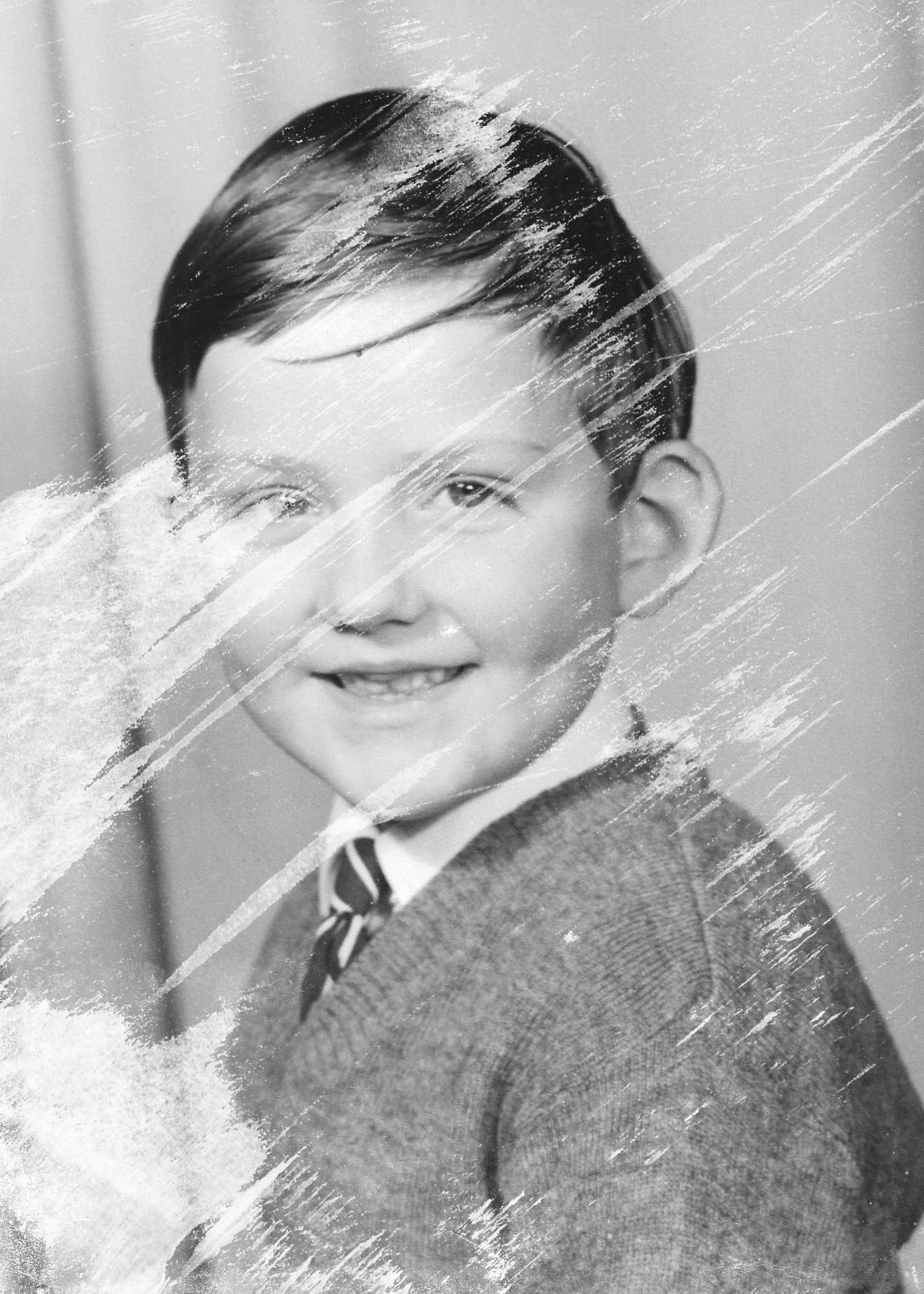
The original photograph shows creases, scratches and loss of detail.
Examples
These examples show how damaged, faded and torn photographs can be repaired by hand while preserving likeness, texture, period character and the integrity of the original image.
The aim is not to make old photographs look artificially modern. It is to remove damage carefully so the restored photograph still feels believable, personal and historically authentic.
Featured Example
This example shows how visible damage can be repaired without changing the expression, facial structure or period character of the original portrait.
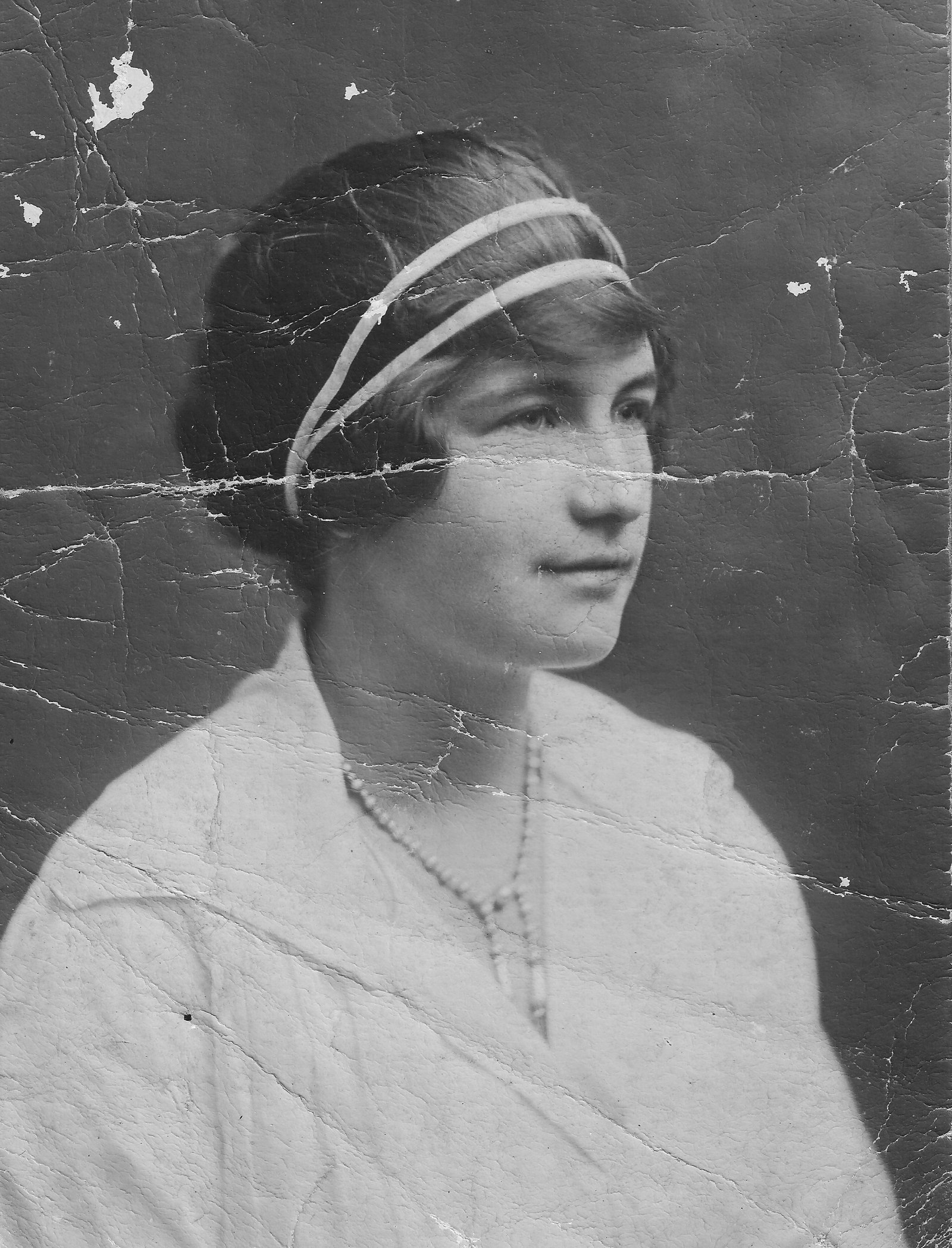
Before
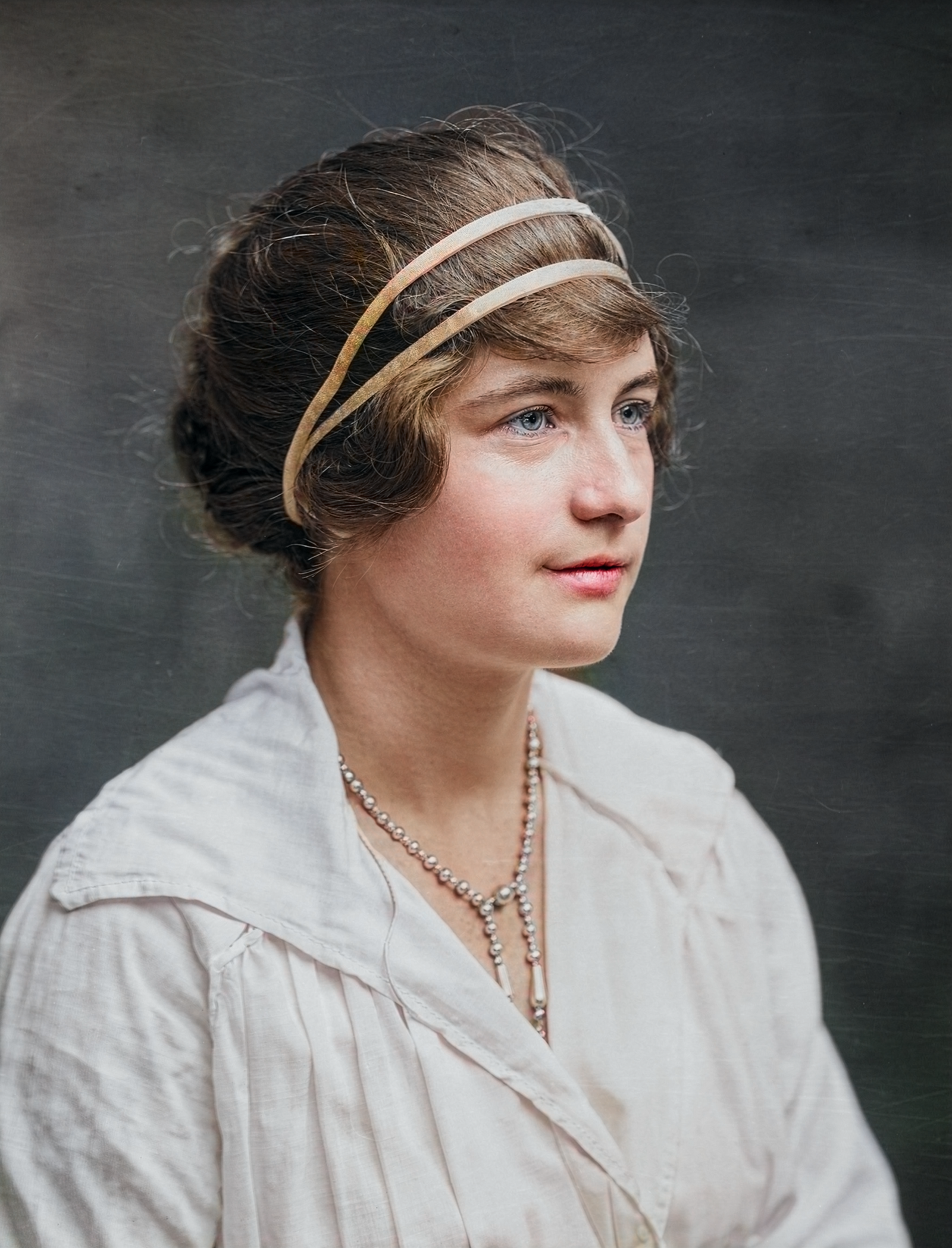
After
Creases, tonal damage and surface marks repaired by hand without altering facial structure. Learn more about restoring torn and severely damaged photographs.
Restoration Judgement
Good restoration is not just about removing damage. It is about deciding what to repair, what to preserve and what not to invent.
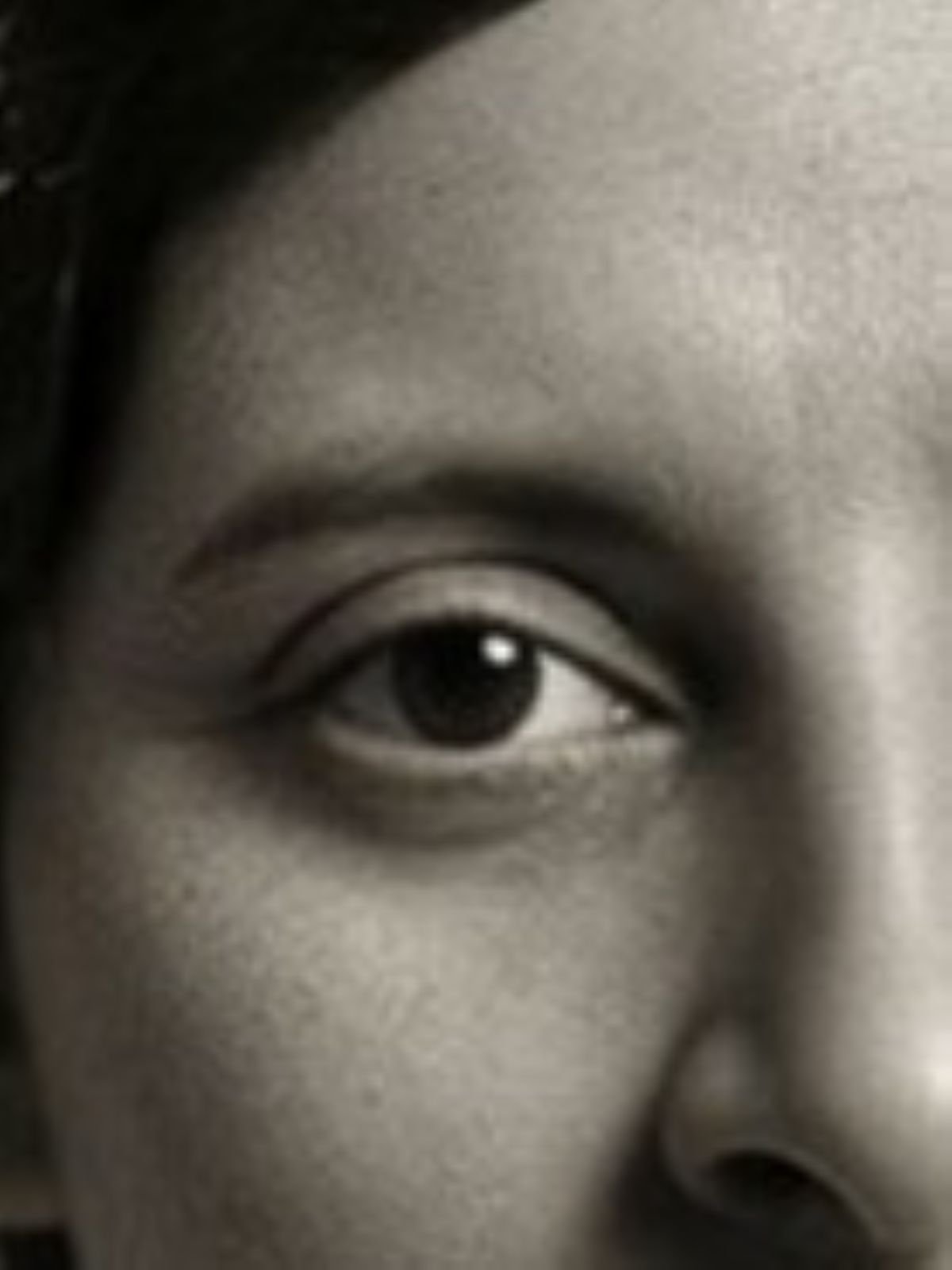
Case Study
This example shows how multiple types of damage were repaired by hand without changing the character or features of the original photograph.
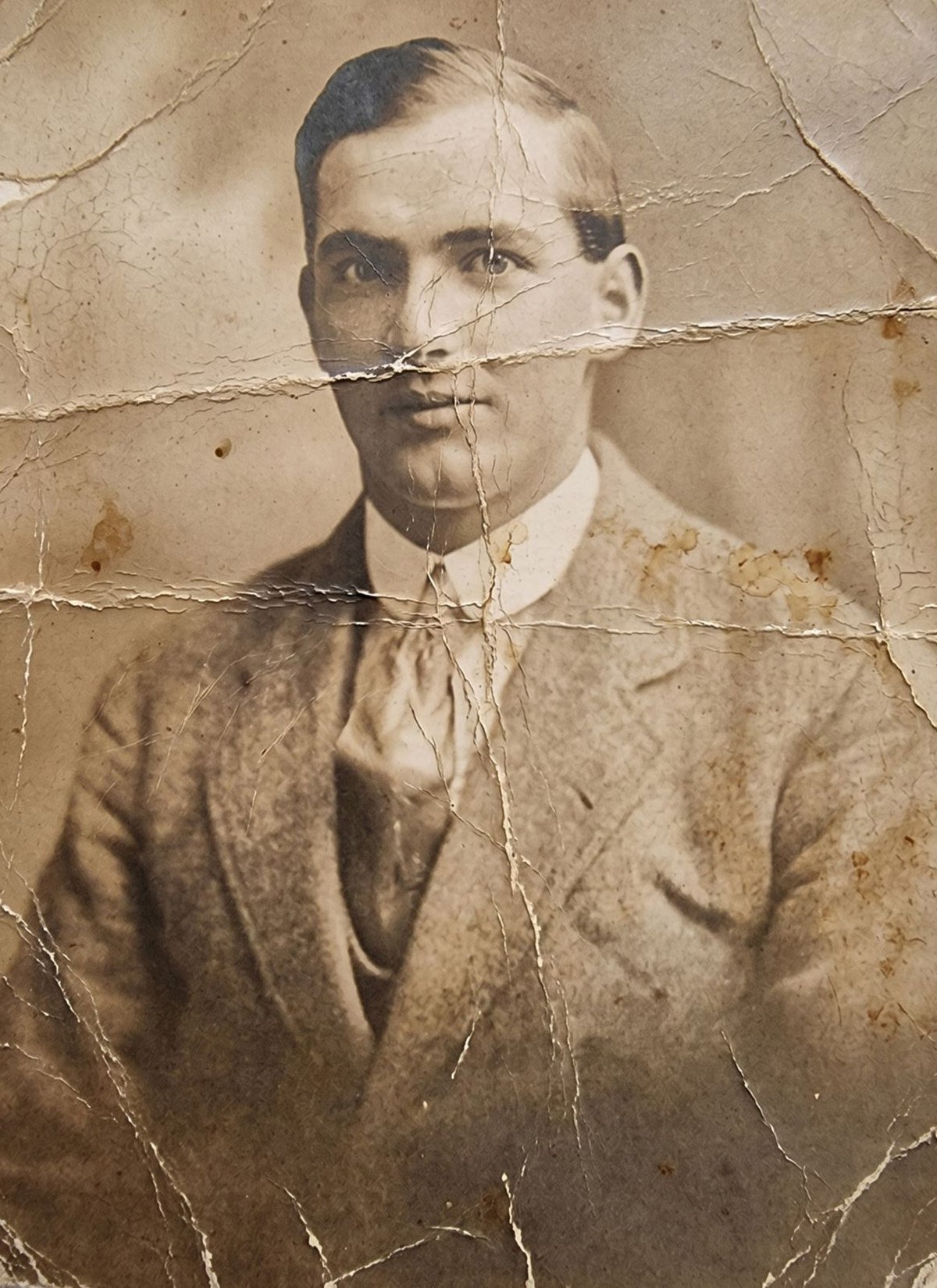
Before
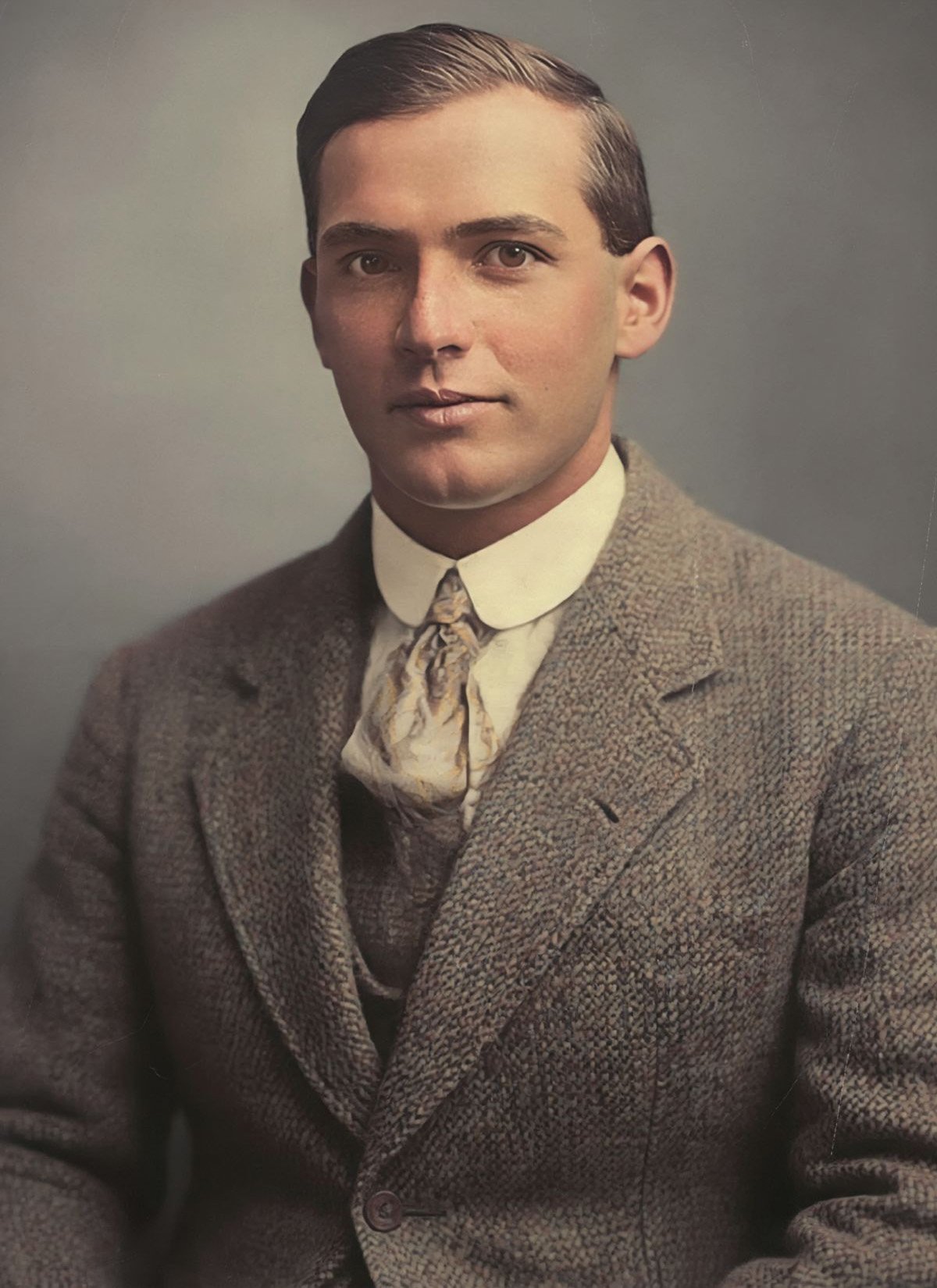
After
There was no auto-fix or generic filter applied to this image. The restoration focused on understanding the original photograph, its age, the damage it sustained and its period characteristics.
If your photograph has heavy tears, missing sections, cracked surfaces or creases across important facial detail, see the dedicated torn and severely damaged photo restoration page before requesting an assessment.
Authenticity
Automated tools can improve surface appearance quickly, but they may smooth away detail, alter facial structure and invent textures that were never present in the original photograph.
Hand restoration is slower, but it allows judgement, restraint and closer respect for the original record.
View the AI vs Hand Restoration comparison
The original photograph shows creases, scratches and loss of detail.
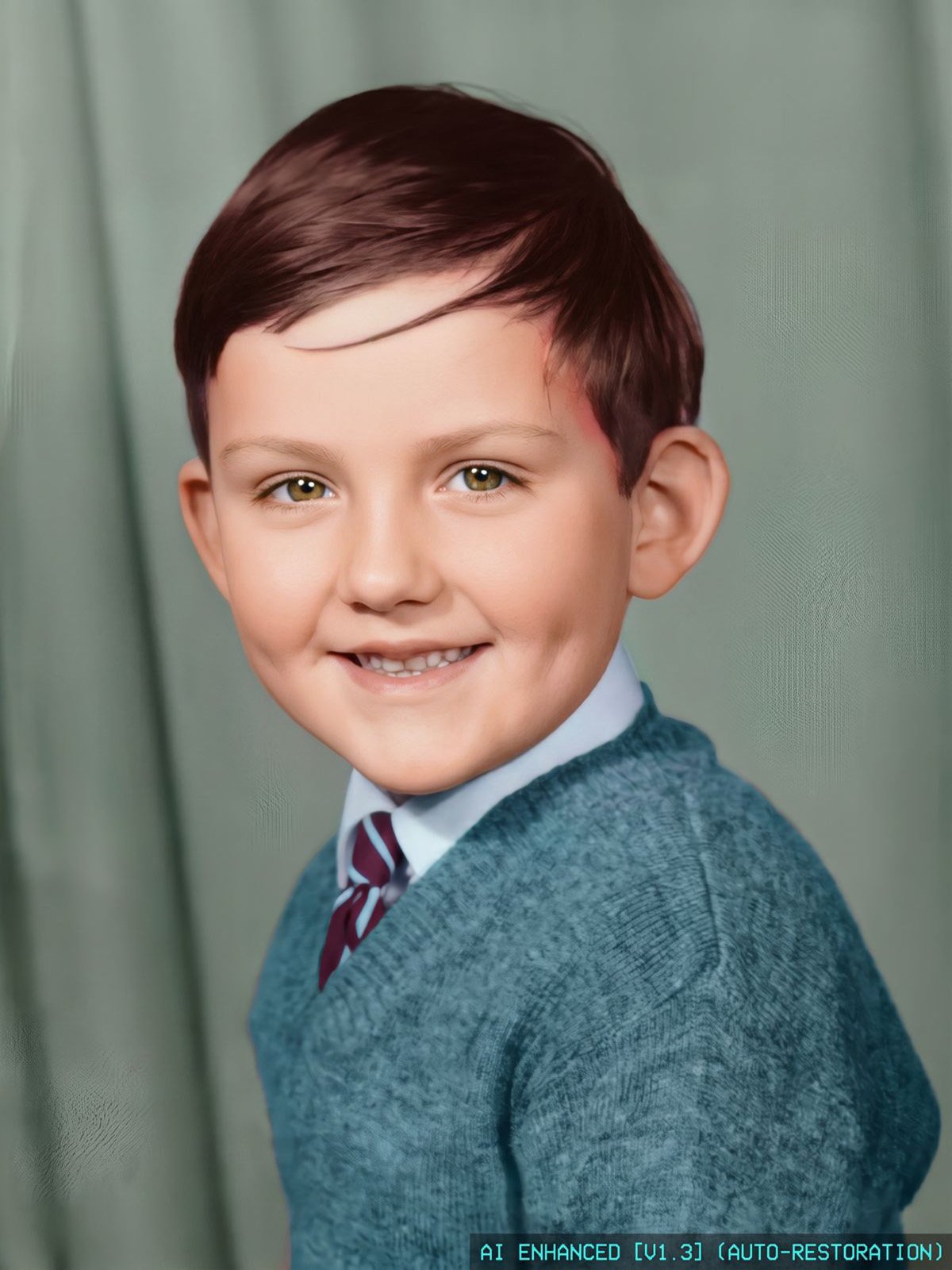
The AI version appears smoother but loses texture and introduces synthetic detail.

The hand-restored result keeps the detail, texture and character of the original.
Damage Types
These examples show how different restoration problems are handled, from fading and tonal loss to missing sections and surface damage.
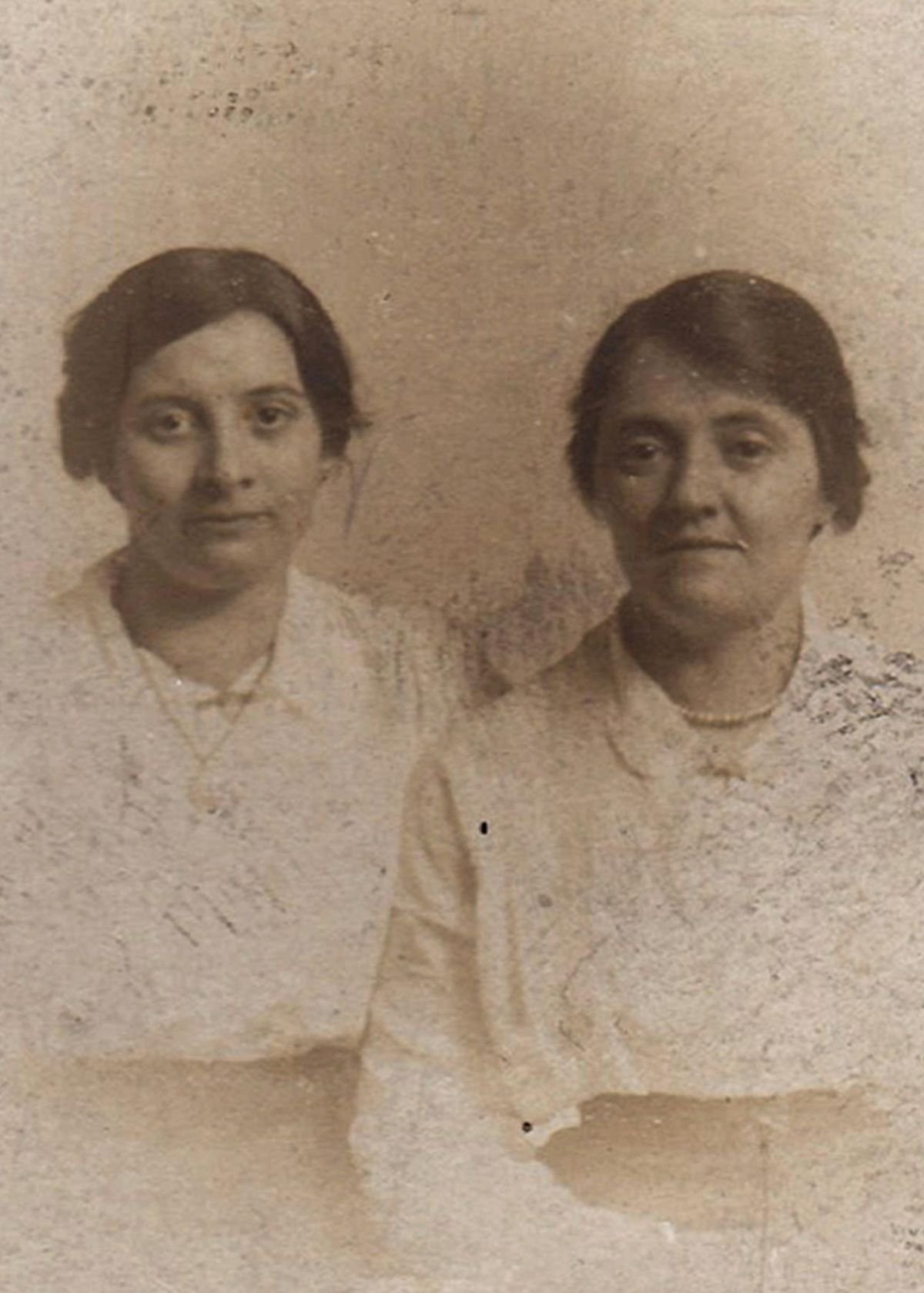
Before
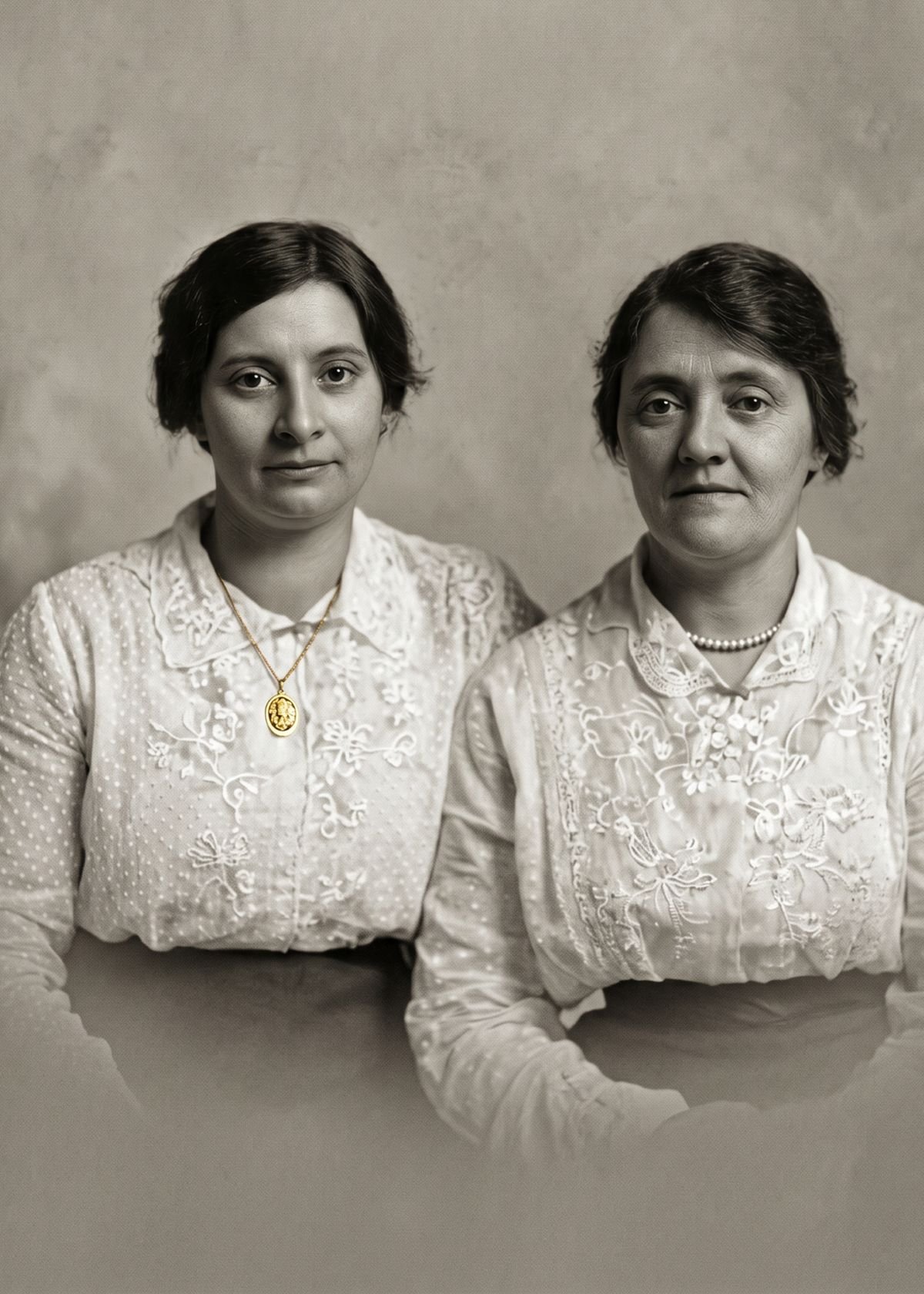
After
Heavy fading reduced contrast and weakened important detail. Tonal correction restored clarity without making the image look harsh or over-processed.
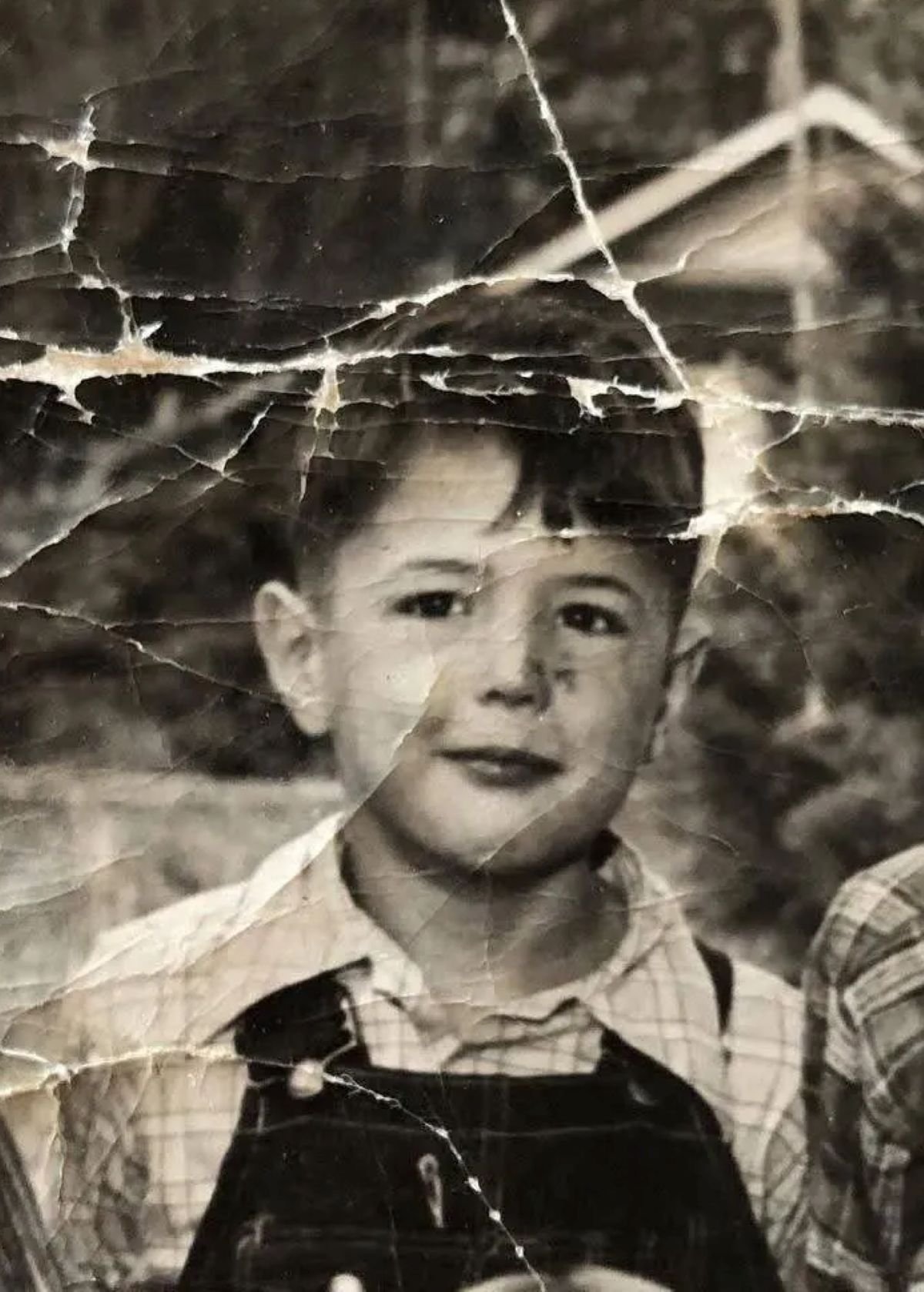
Before
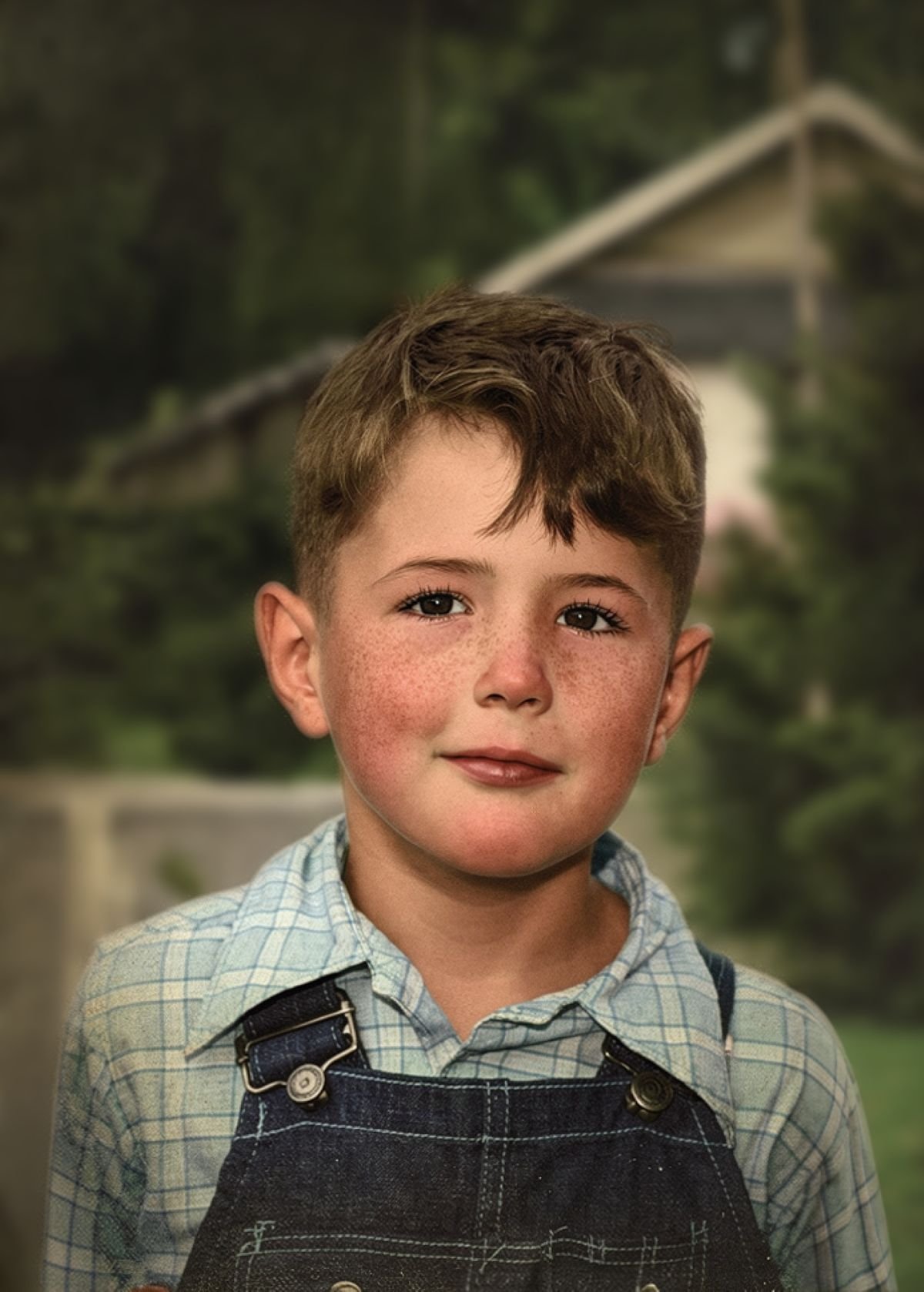
After
Where parts of the original image are missing, repair requires careful reconstruction from visible surrounding detail while keeping the result believable. See how missing areas and severe photograph damage can be restored.
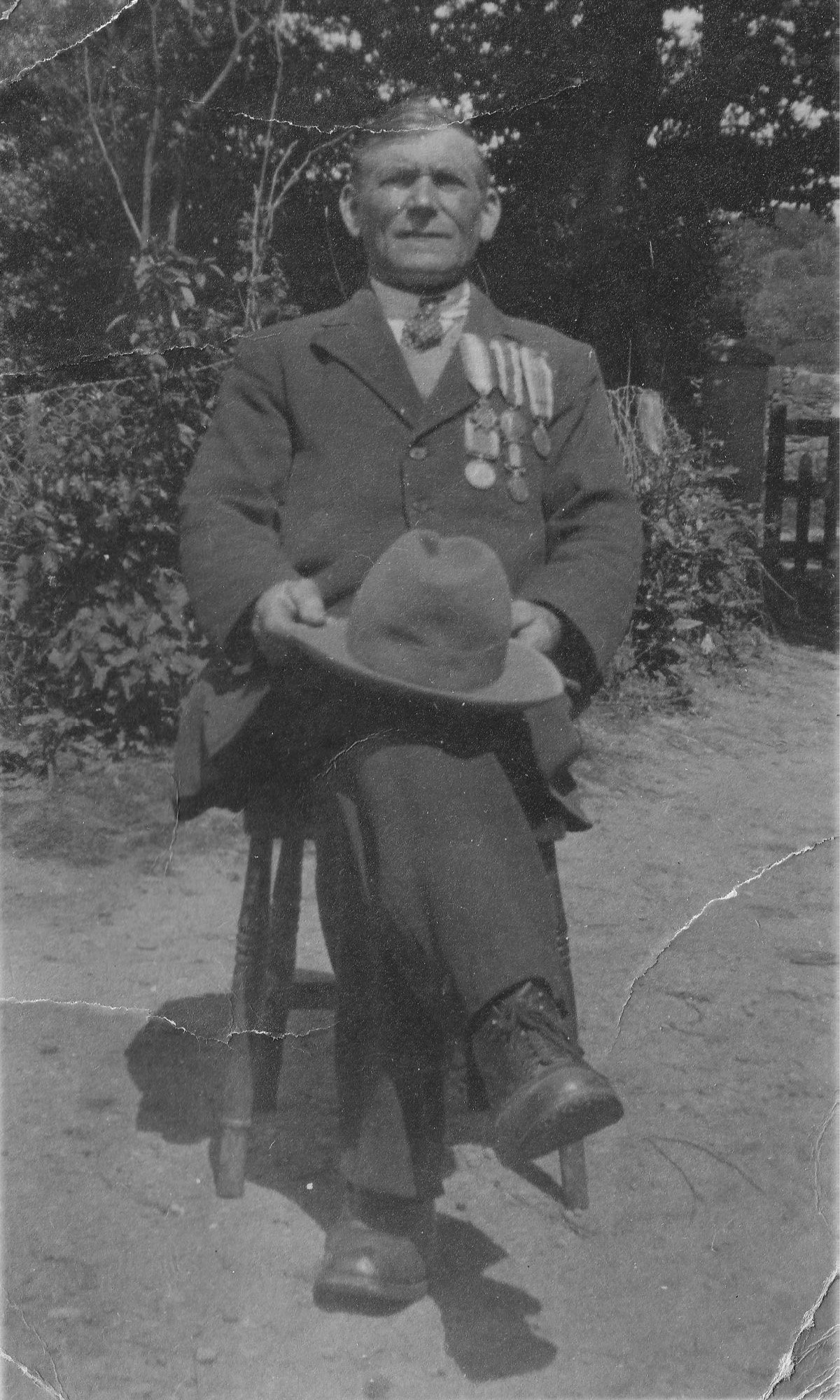
Before
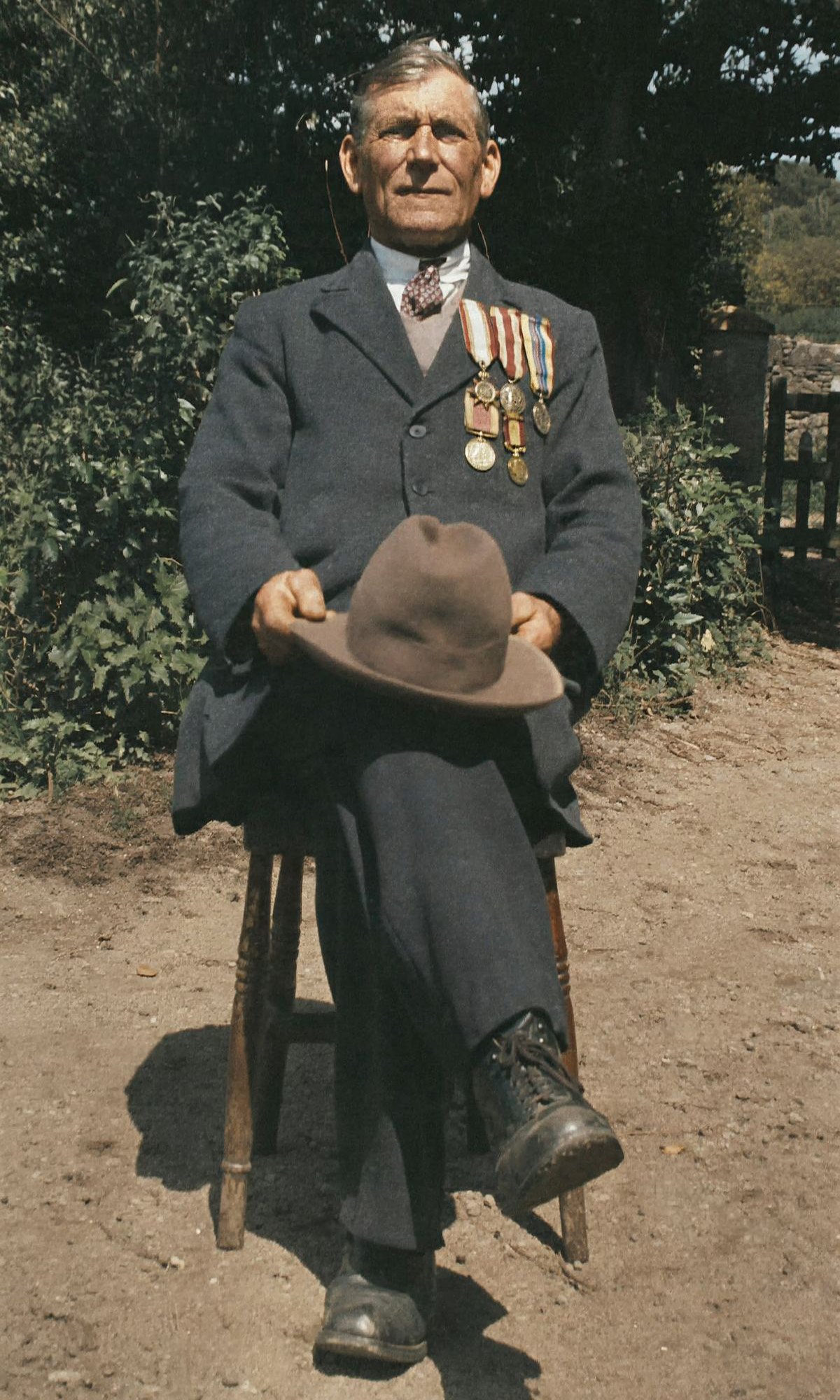
After
Surface damage can distract from important details. Careful hand repair removes disruption while keeping tonal balance and original character intact. Learn more about severe photo damage repair.
Severe Damage Restoration
Some photographs need more than general improvement. Tears, missing corners, cracked surfaces, damaged faces, missing areas and heavy creases need careful hand restoration so the final image remains natural and believable.
Larger Collections
If your restoration project is part of a wider family archive, inherited collection, local history project or private collection, Past2Perfect can also help with assessment, organisation, digitisation and preservation planning.
Next Step
Send a photograph for assessment, or describe the wider collection you are trying to preserve.