Original damaged photograph
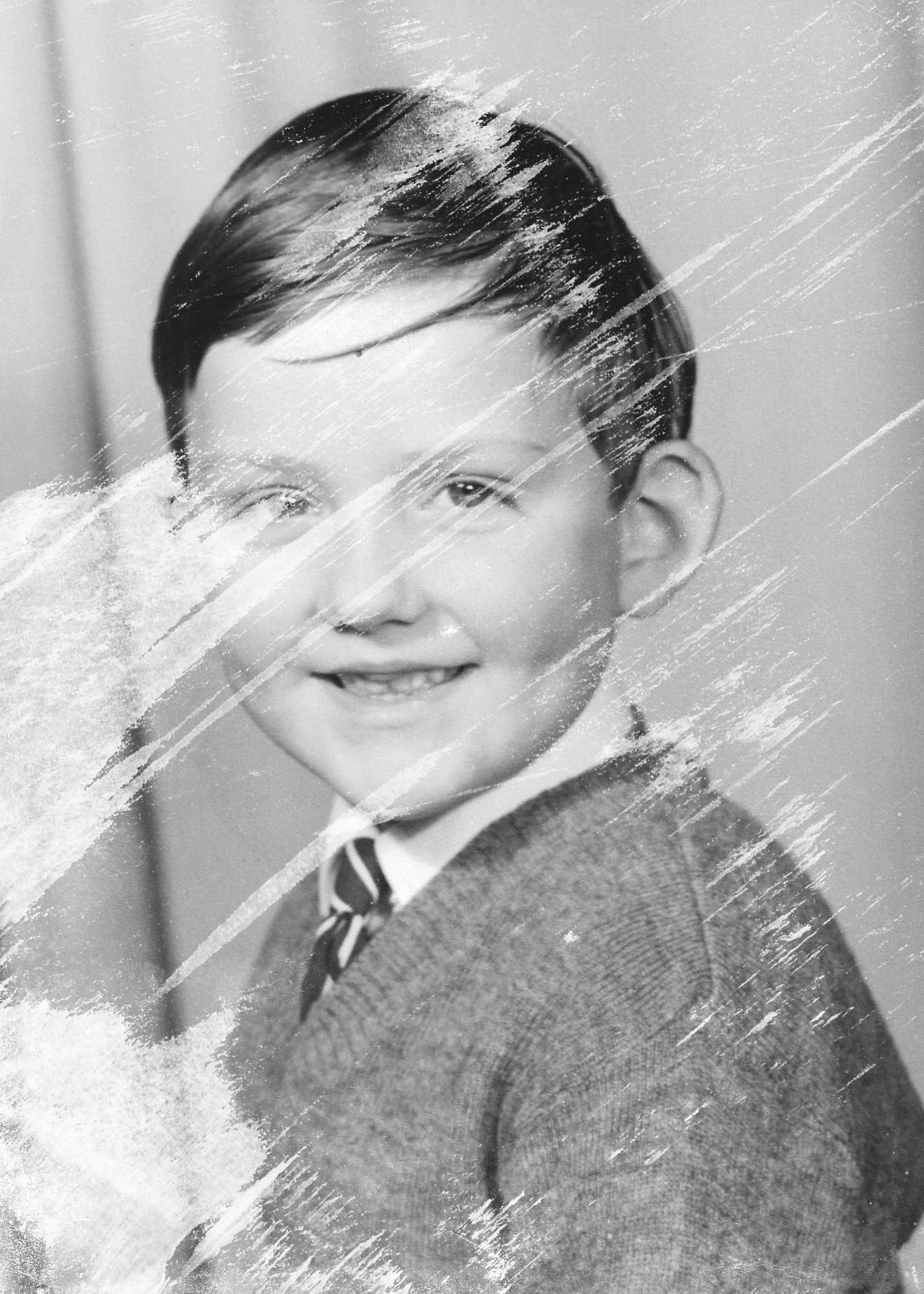
The original photograph contains scratches, fading and visible disruption across important facial areas.
AI vs Hand Restoration
AI can make an old photograph look cleaner. That does not always mean it has been restored faithfully.
Past2Perfect approaches photo restoration as part of a wider commitment to photographic preservation. The aim is not to generate a new version of the past, but to repair damage while protecting authenticity, likeness, texture and historical character.
The comparison below shows where automated restoration can help, where it can fail, and why careful human judgement still matters when working with old, damaged or historically important photographs.
Most enquiries receive a response within 24 hours with a clear quote and expected turnaround.
There is a difference between improving the appearance of a photograph and preserving the truth of the original image.
AI restoration tools can produce fast and visually striking results. However, they often work by prediction. When detail is missing, damaged or unclear, the software may generate what it thinks should be there rather than recover what was actually present.
That distinction matters. A photograph may be the only surviving image of a person, place, uniform, building, event or community record. If details are changed, the image may become less reliable as history.
Hand restoration takes longer, but it allows each part of the photograph to be assessed individually. The objective is not artificial perfection. The objective is careful, believable repair that respects the original photographic record.
Direct comparison
The examples below show the difference between automated enhancement and careful hand restoration.
The original photograph contains scratches, fading and visible disruption across important facial areas.
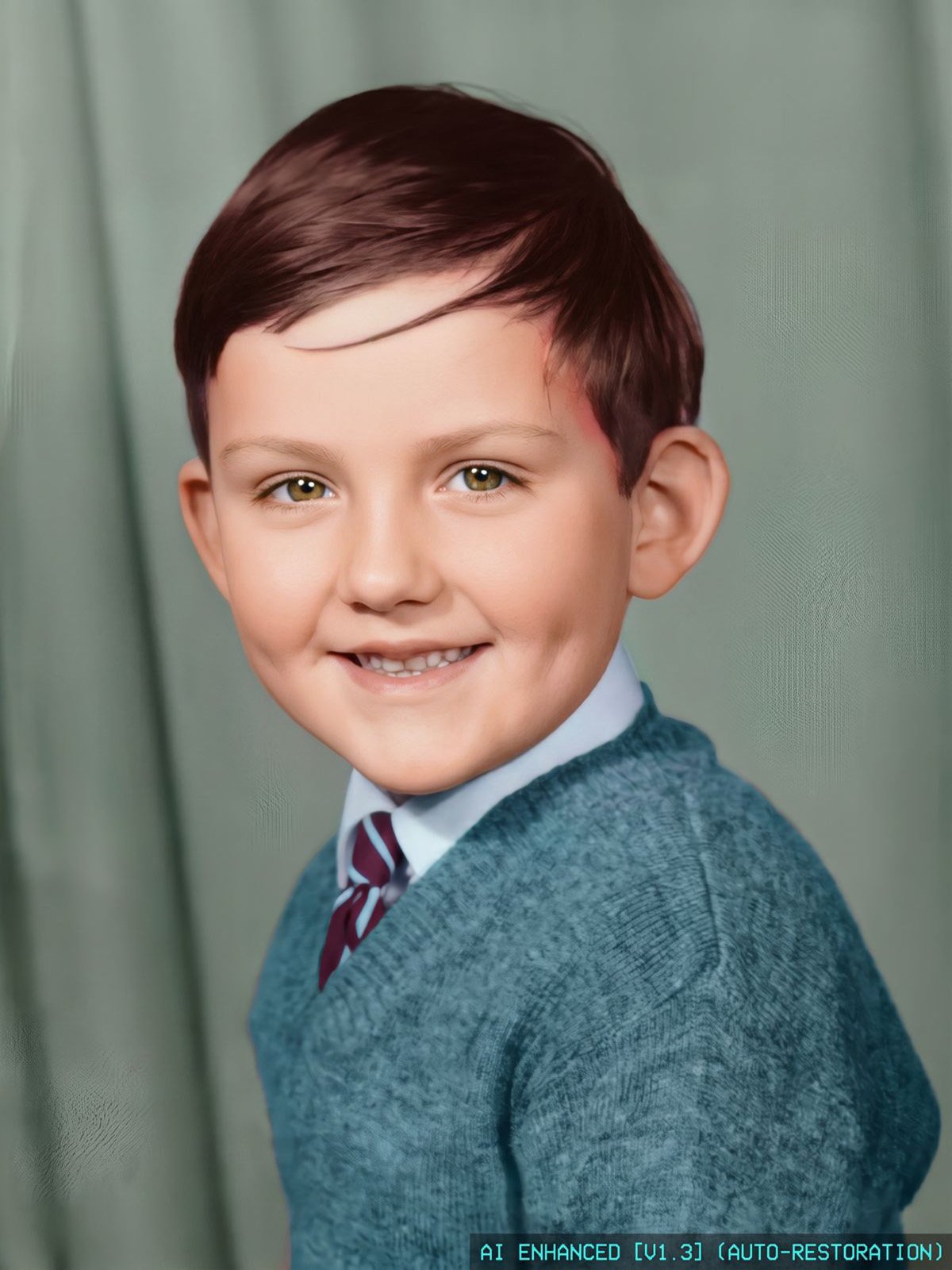
The AI result appears smoother and cleaner at first glance, but some texture, facial detail and natural character have been softened or replaced by generated information.
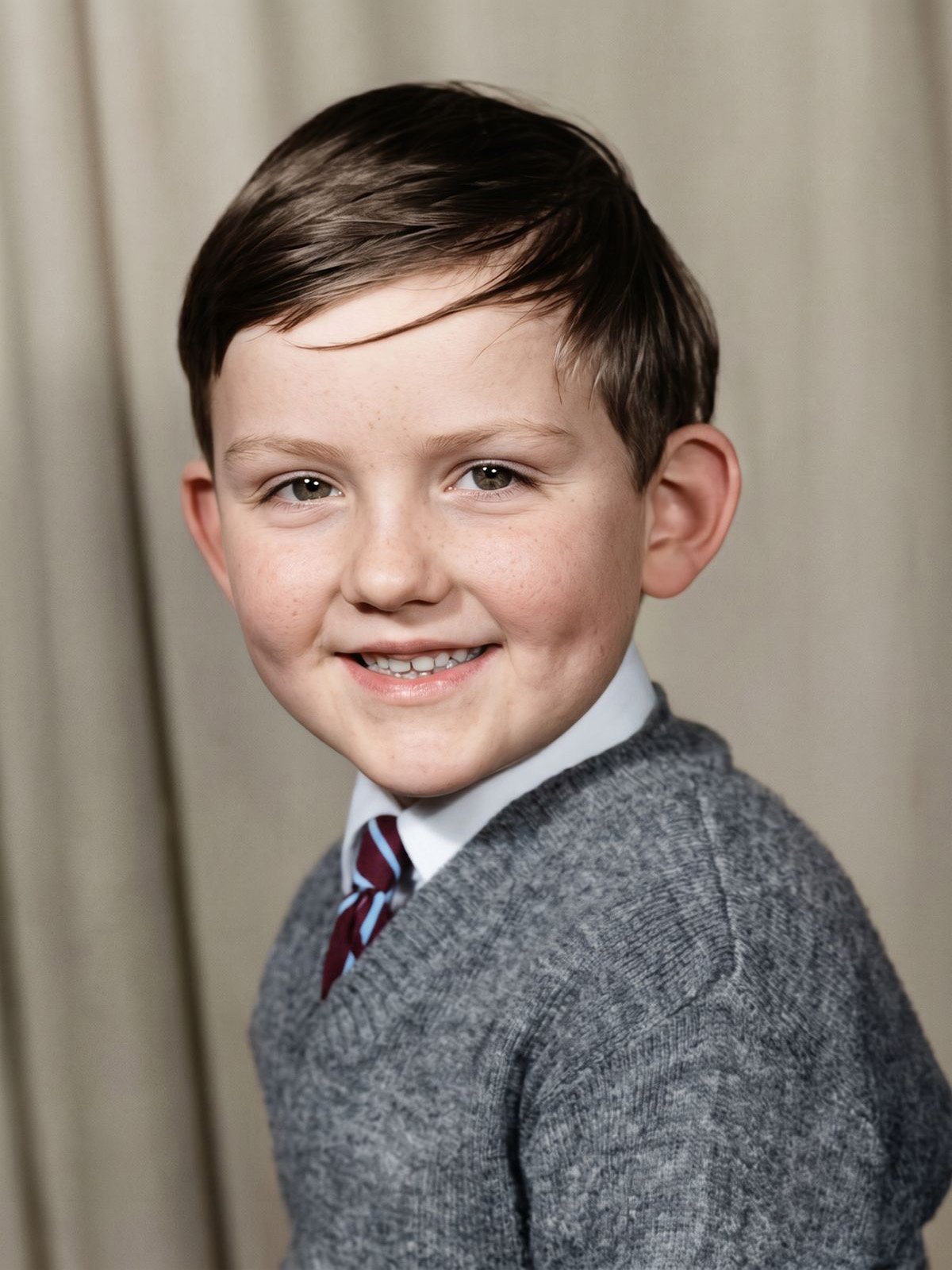
The hand-restored version repairs the damage while preserving expression, likeness, texture and the original character of the photograph.
Automated tools can blur fine photographic grain, skin texture, fabric detail and surface tone in an attempt to make the image appear cleaner.
Where areas are damaged or unclear, AI may generate new information rather than recover original detail.
Small changes to eyes, mouths, noses, jawlines or facial proportions can subtly change a person’s identity and expression.
Older images can begin to look too polished, too smooth or too contemporary, losing the tonal qualities of the original period.
Clothing, uniforms, jewellery, backgrounds, architecture and objects may be recreated incorrectly if the software guesses rather than verifies.
Generated detail can appear convincing, making it difficult to tell what was originally present and what has been invented.
Artificial intelligence does not understand the historical significance of a photograph. It does not know whether a uniform detail, facial feature, architectural element or object is important. It predicts visual information based on patterns.
In a casual image, that may not matter. In a family archive, local history collection, heritage project or historically significant photograph, it can matter a great deal.
AI-generated changes can include:
A restored photograph should help us understand the past more clearly, not create a new version of it.
Hand restoration allows repair decisions to be made deliberately rather than automatically. Each area of damage can be assessed in relation to the surrounding image, the likely original structure and the character of the photograph.
This matters most when working with faces, clothing, historical materials, fragile prints or images where the original record is important.
A good restoration should not announce itself.
Restoration and reconstruction are often treated as the same thing, but they are not.
Restoration focuses on recovering and repairing information that still exists within the original photograph. Damage is reduced using visible evidence, surrounding detail and careful judgement.
Reconstruction involves recreating information that has been lost. In some cases this may be necessary, but it should be approached with caution and understood as interpretation rather than direct recovery.
Many AI systems blur the distinction because they automatically generate new visual information. Past2Perfect aims to preserve and recover the original image wherever possible. Reconstruction is used only when necessary and with appropriate restraint.
Close-up detail
Close-up comparison makes the difference between automated enhancement and careful restoration easier to see.
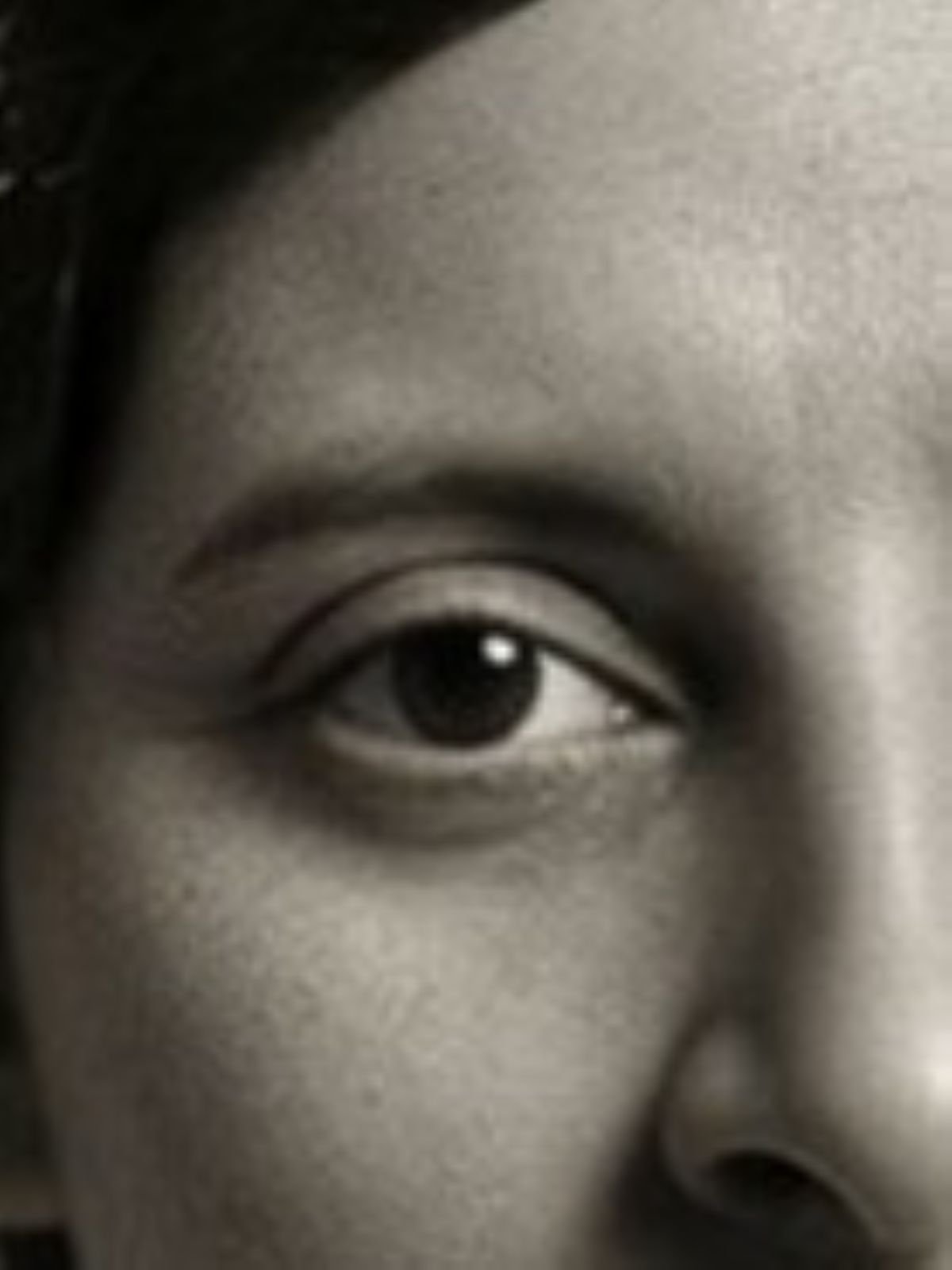
AI restoration often softens fine facial texture in an attempt to clean the image. Hand restoration focuses on repairing damage while preserving natural tonal variation, expression and recognisable likeness.
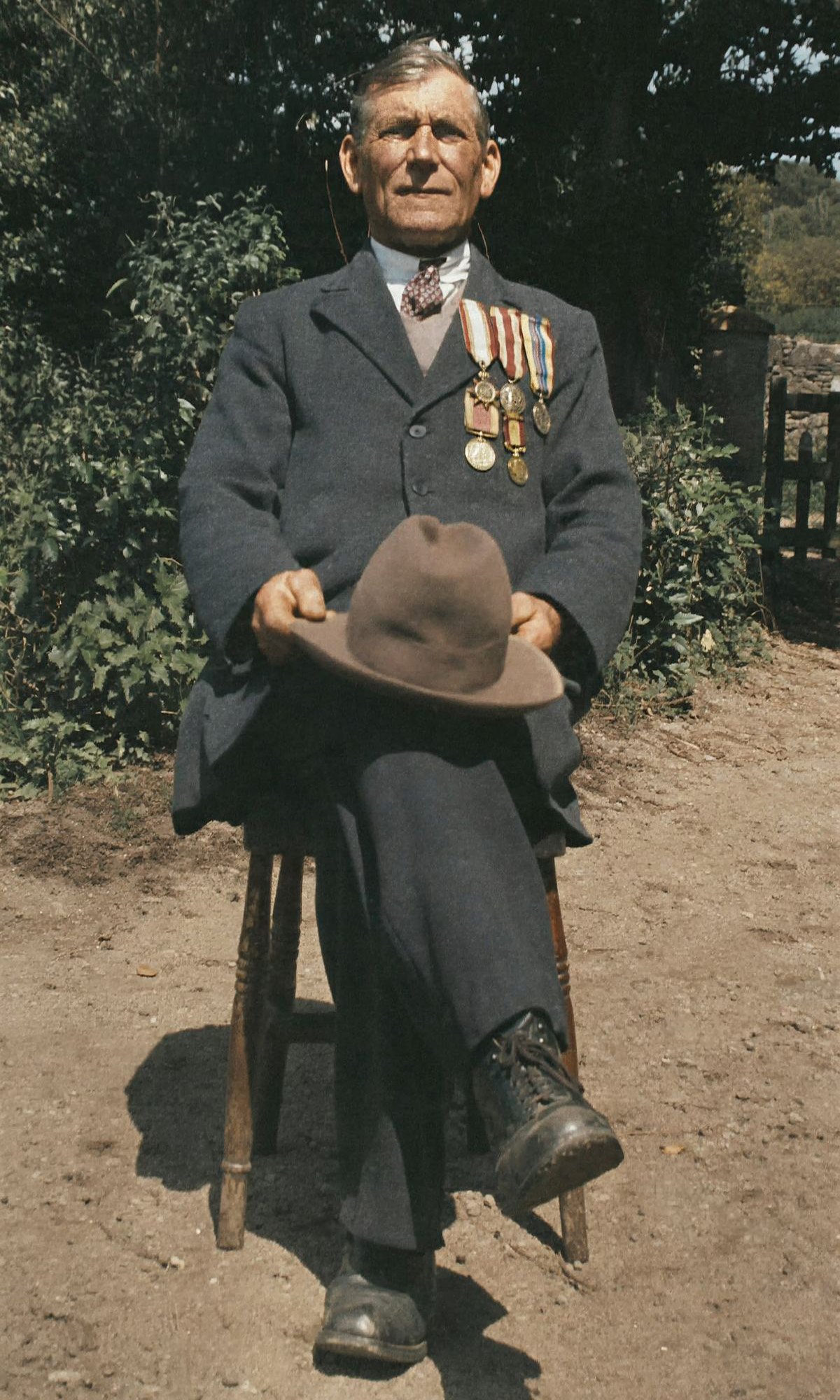
Severe damage sometimes requires careful reconstruction, but reconstruction should remain guided by visible evidence within the original photograph rather than uncontrolled synthetic generation.
Sometimes. AI can be useful for quick previews, reference generation, rough visualisation or supporting certain technical steps.
The problem comes when generated results are treated as faithful restorations of the original photograph.
For family photographs, historical images, archive materials and heritage collections, speed should not be the only measure of success. Accuracy, restraint and respect for the original record matter more.
Choosing an approach
| Requirement | AI restoration | Hand restoration |
|---|---|---|
| Quick visual improvement | Often strong | Slower, more deliberate |
| Faithful facial likeness | Variable | Strong |
| Preserving original texture | Often weak | Strong |
| Historical accuracy | Unreliable where detail is missing | Stronger because decisions are evidence-led |
| Repairing severe damage carefully | Variable | Strong |
| Family and archive preservation | Risk of artificial results | Better suited |
For many photographs, authenticity is more important than perfection.
A photograph may be the only image of a family member, the only surviving record of a building, an important local history resource, part of a wider archive or evidence of a significant historical event.
When details are altered unnecessarily, the photograph may become less reliable as a historical record.
This is why Past2Perfect approaches restoration as part of a wider commitment to photographic preservation. The objective is not simply to create a cleaner image. It is to preserve the photograph, protect its historical value and safeguard its legacy for future generations.
Better source files
The quality of the scan has a direct effect on the final restoration. A clear, high-resolution file gives more real detail to preserve and reduces the need for guesswork.
This is especially important when repairing faces, faded photographs, torn areas or images with important historical or family detail.
A clear phone photo is usually enough for an initial assessment, quote and expected turnaround.