01
Send your photo
Email your photograph for assessment. A scan is ideal, but a clear phone photo is usually enough to begin.
Colourisation
Bring black and white and faded photographs back to life with hand-coloured results that remain believable.
Each photograph is colourised individually. The aim is not to apply generic colour, but to produce a result that still feels true to the image.
Most enquiries receive a response within 24 hours with a clear quote and expected turnaround.
A clear phone photo is usually enough for an initial assessment.
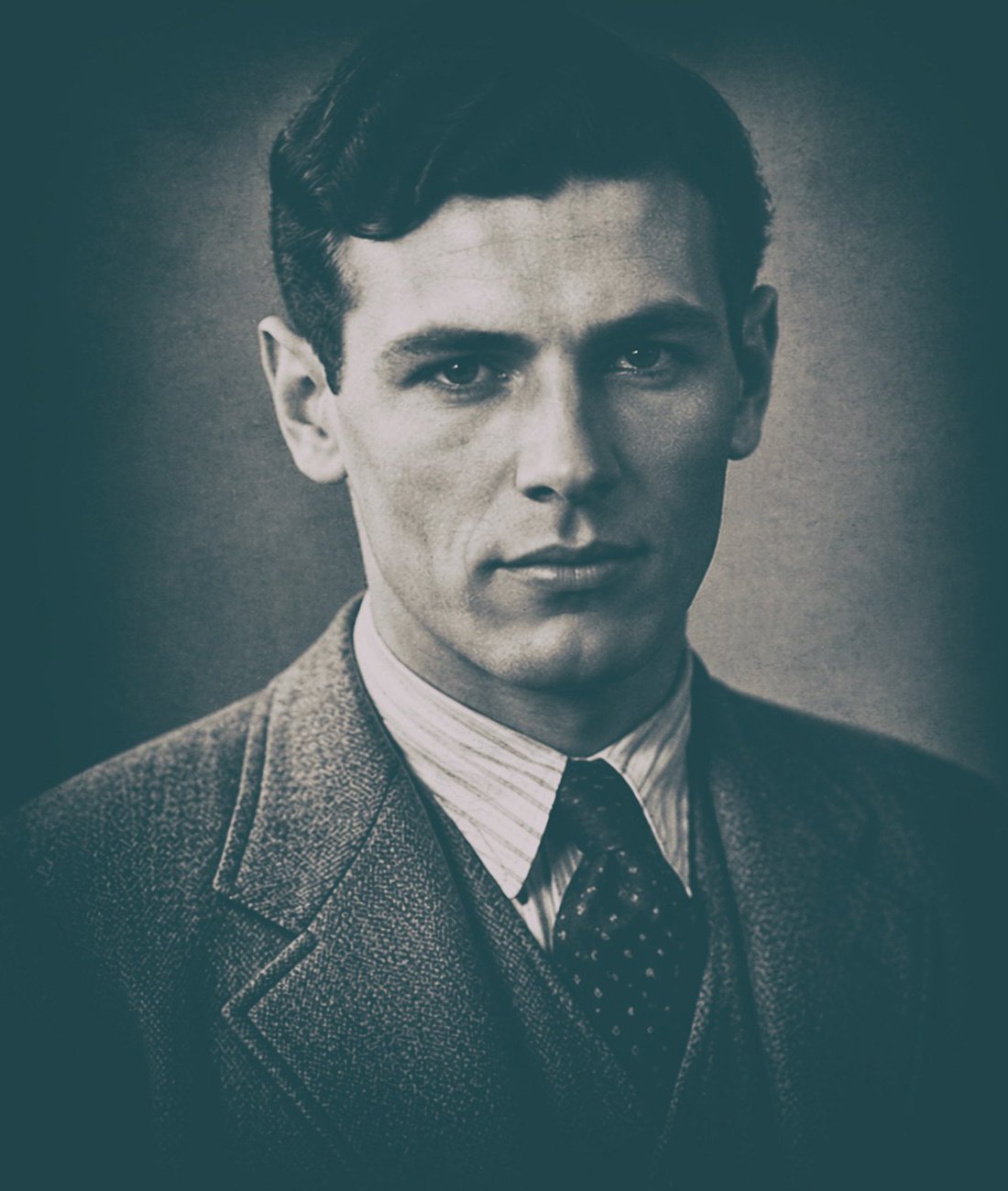 Before
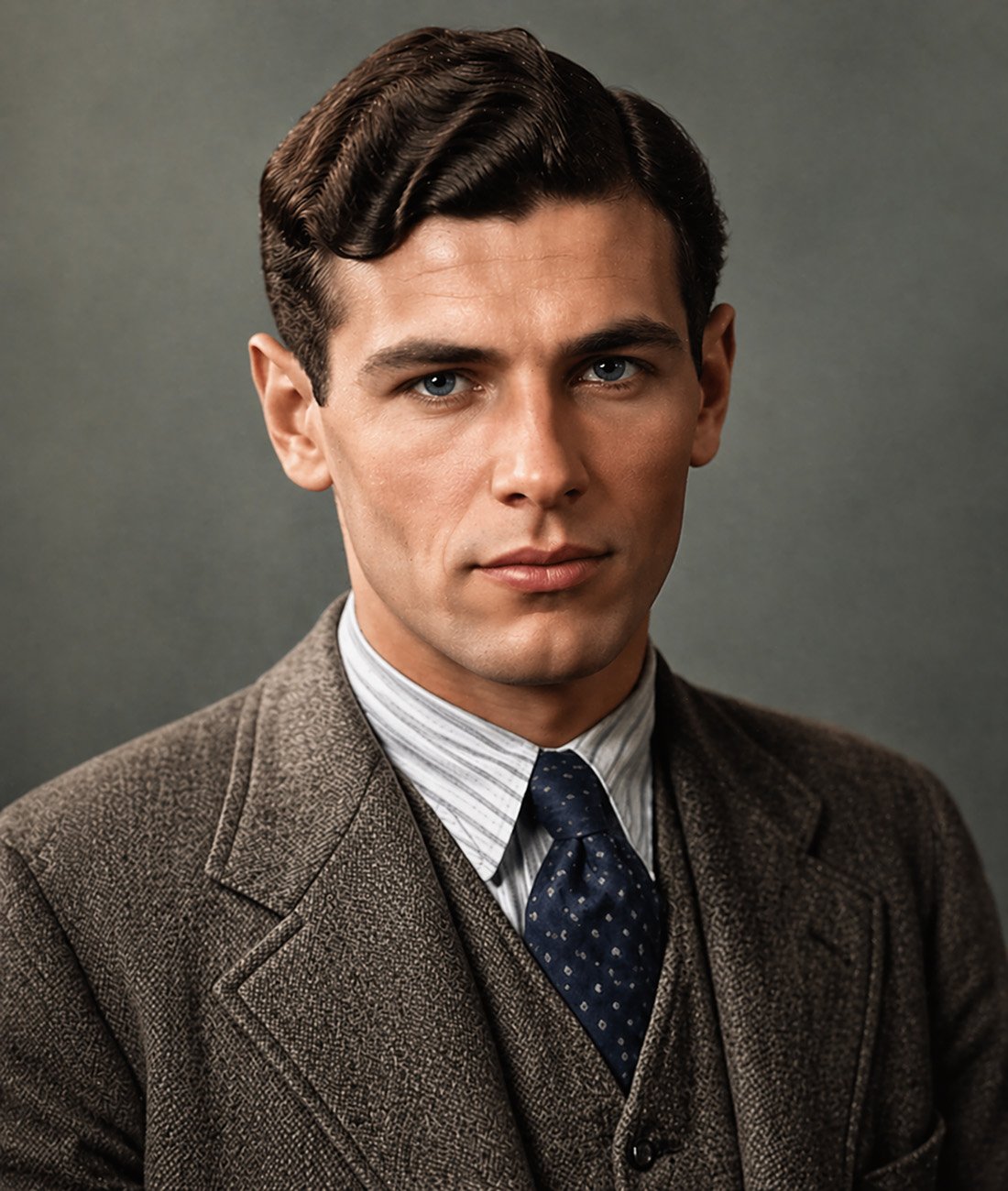 After
After
Automated tools often apply colour too aggressively. Skin tones, clothing and backgrounds can look generic or historically implausible.
Hand colourisation allows decisions to be made from the subject, the period, the lighting and the visible detail in the photograph.
A simple process with a clear assessment before any work begins.
Email your photograph for assessment. A scan is ideal, but a clear phone photo is usually enough to begin.
You’ll receive clear advice on what is possible, how the image would be colourised, the quoted cost and expected turnaround.
Your photograph is worked on carefully to produce a restrained result that still feels like the original image.
The completed image is supplied as a high-quality digital file, ready for printing or sharing.
Before and after examples showing different types of old photographs colourised by hand.
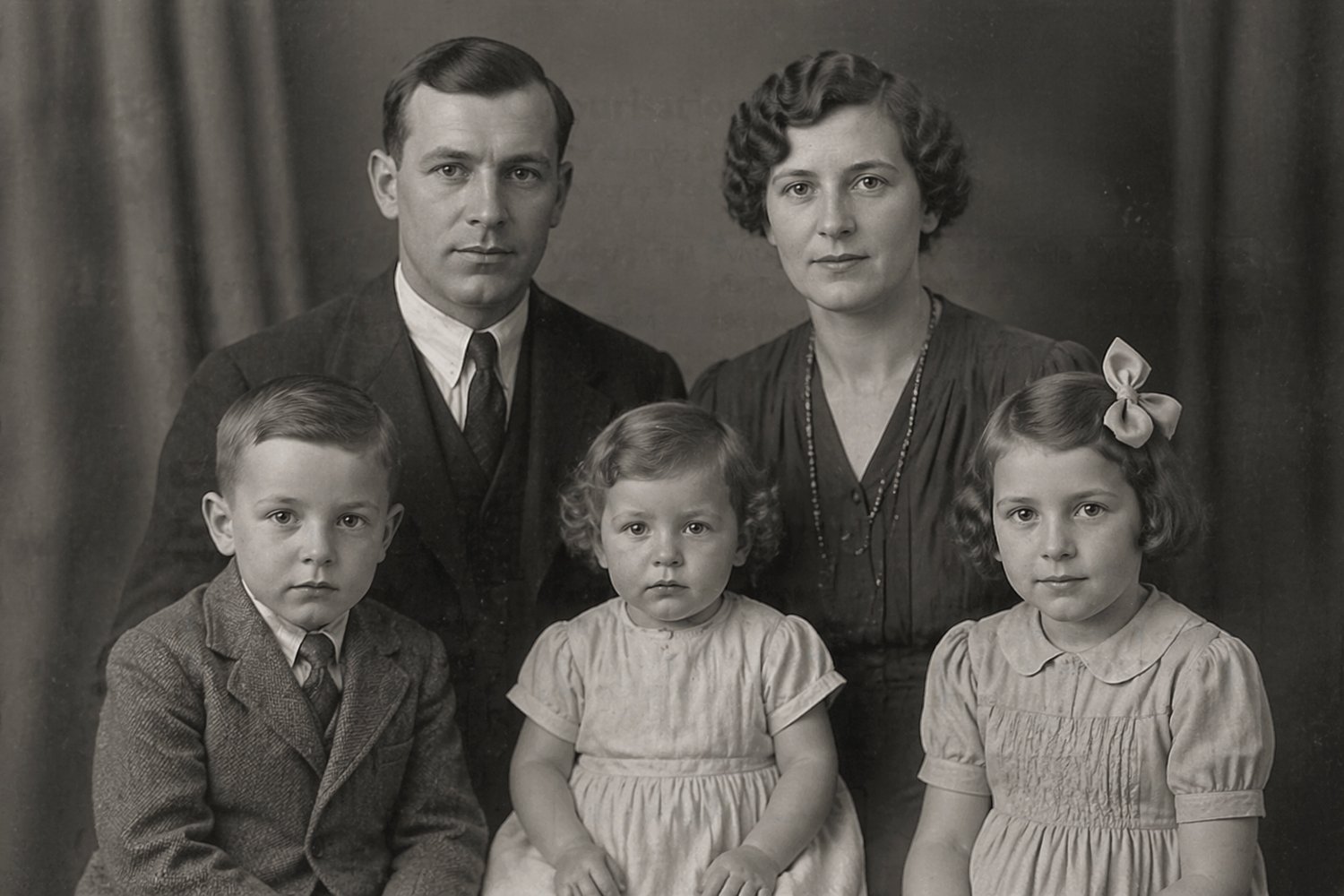 Before
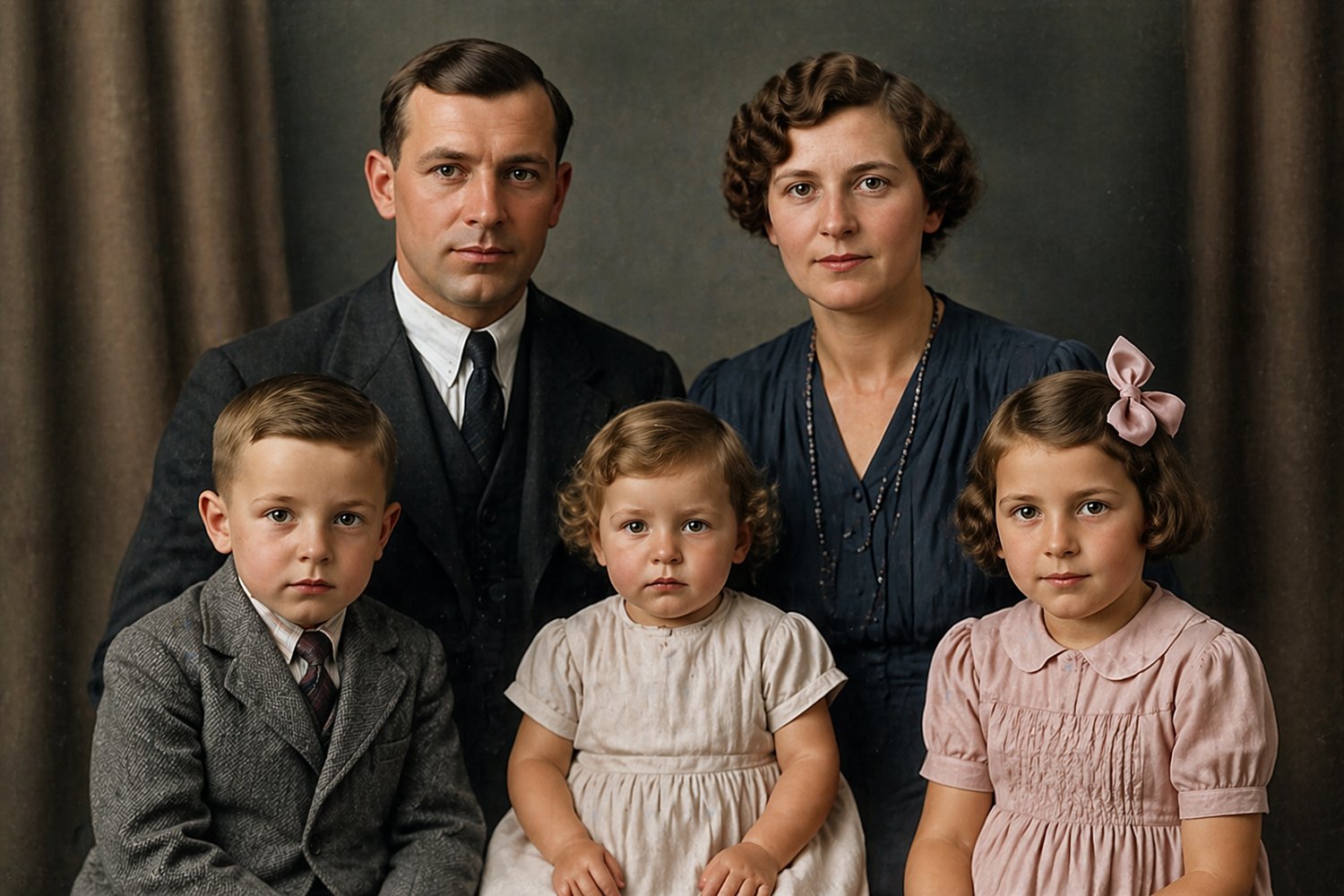 After
After
Skin tones, clothing and background were colourised to remain believable rather than over-stated.
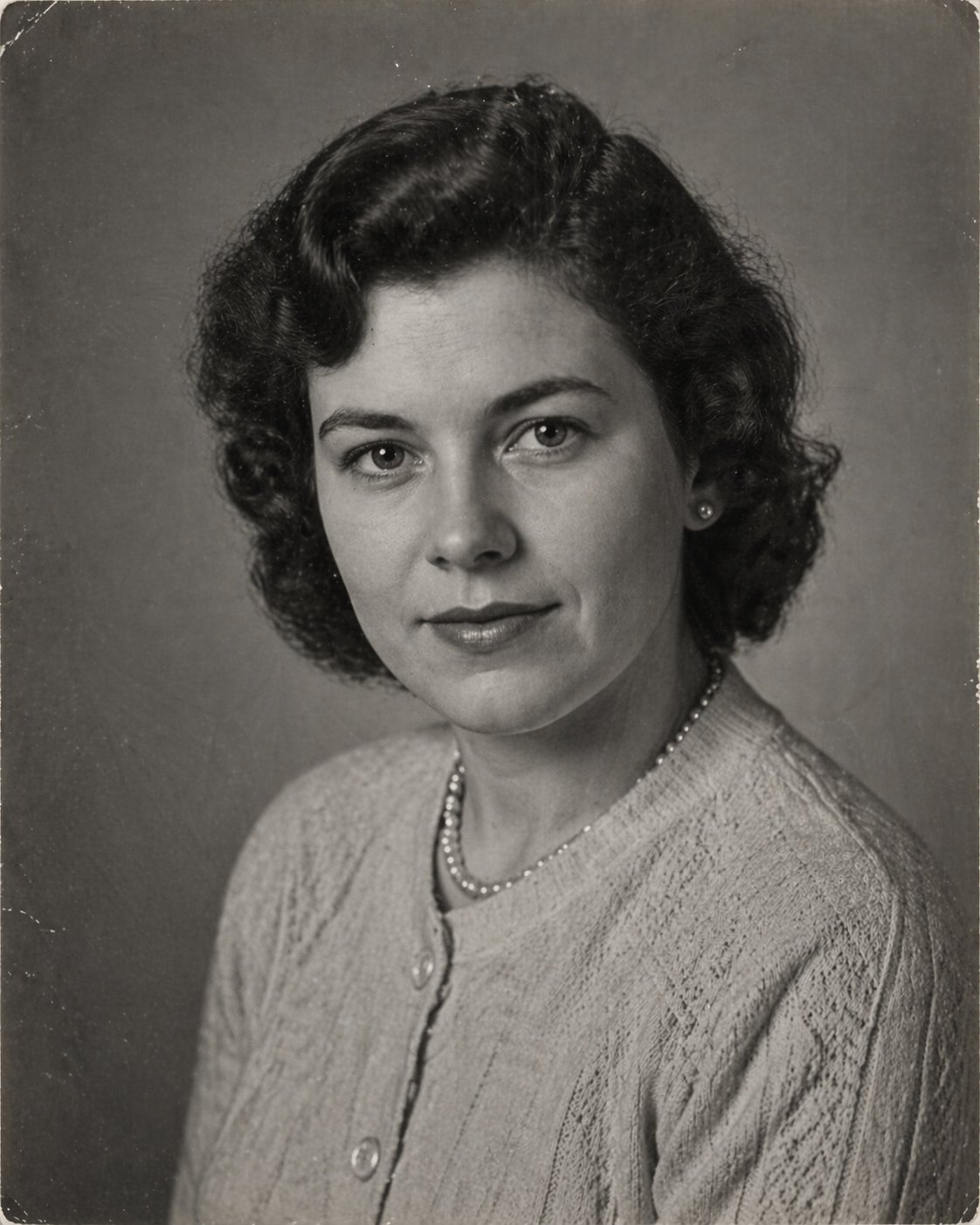 Before
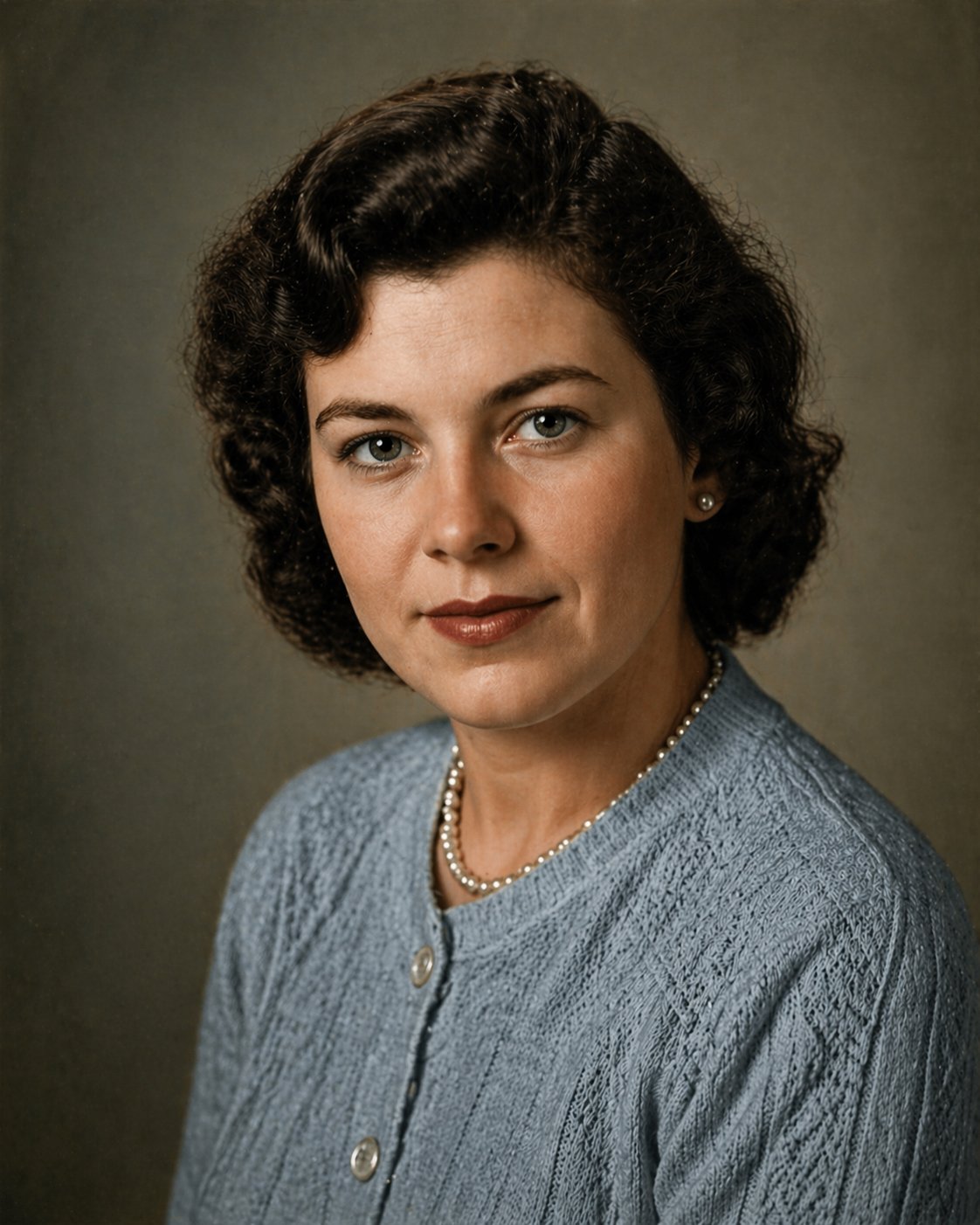 After
After
Colour was added carefully to preserve the feel of the original photograph without making the result look synthetic.
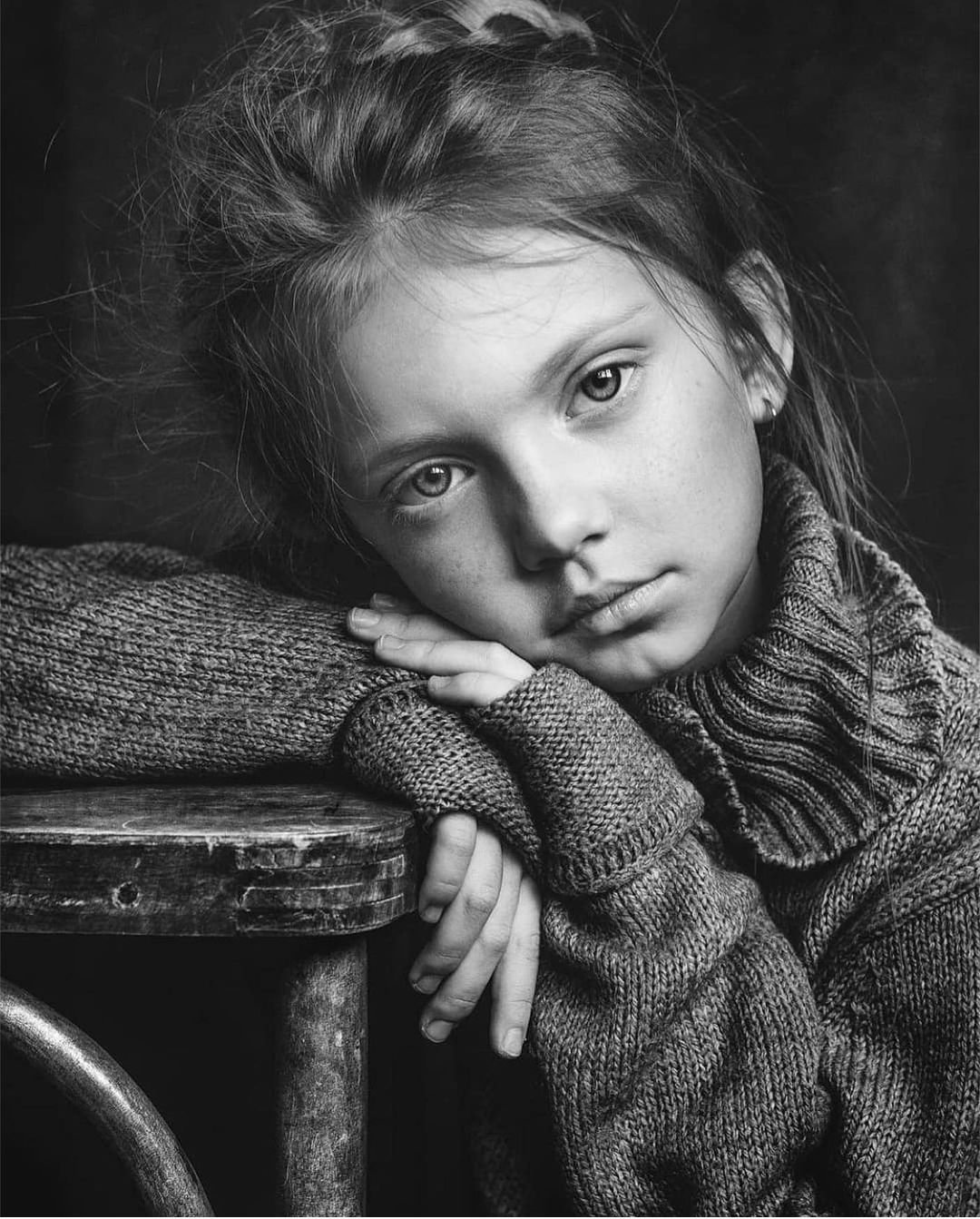 Before
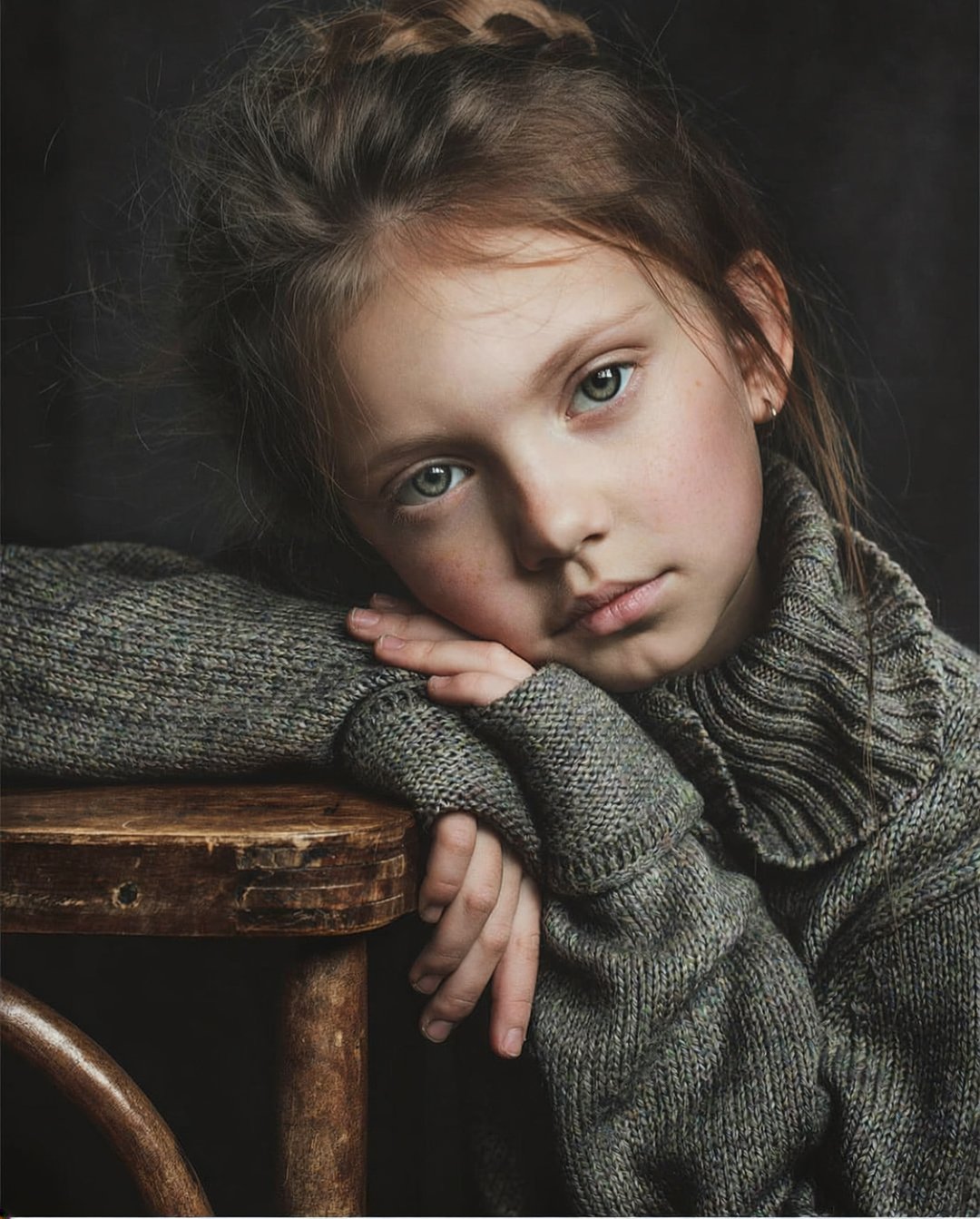 After
After
Delicate areas such as skin tones and fabric were handled with restraint to keep the finished image credible.
The aim is not simply to add colour. It is to make choices that still feel consistent with the photograph itself.
A clear phone photo is usually enough for an initial assessment.