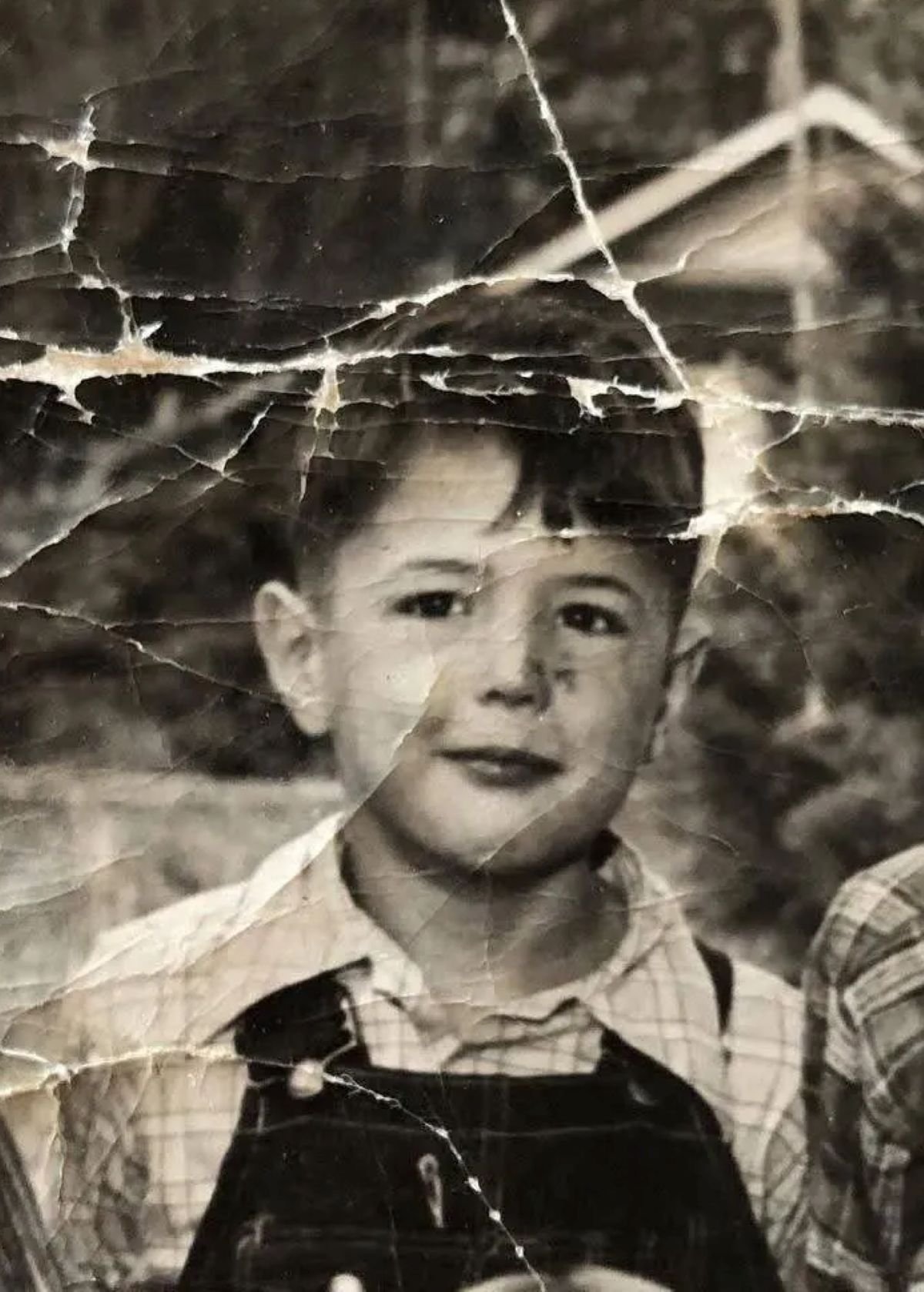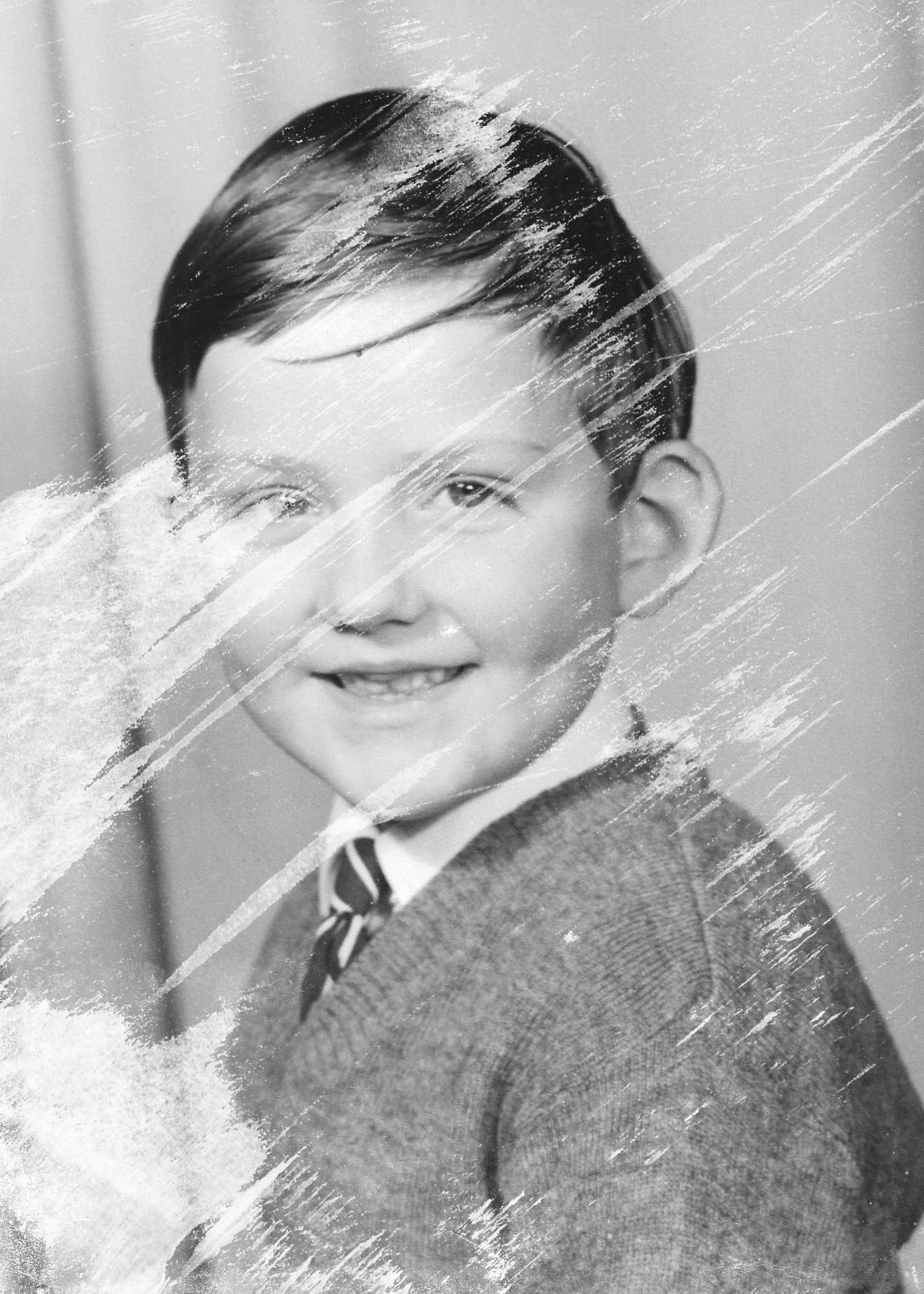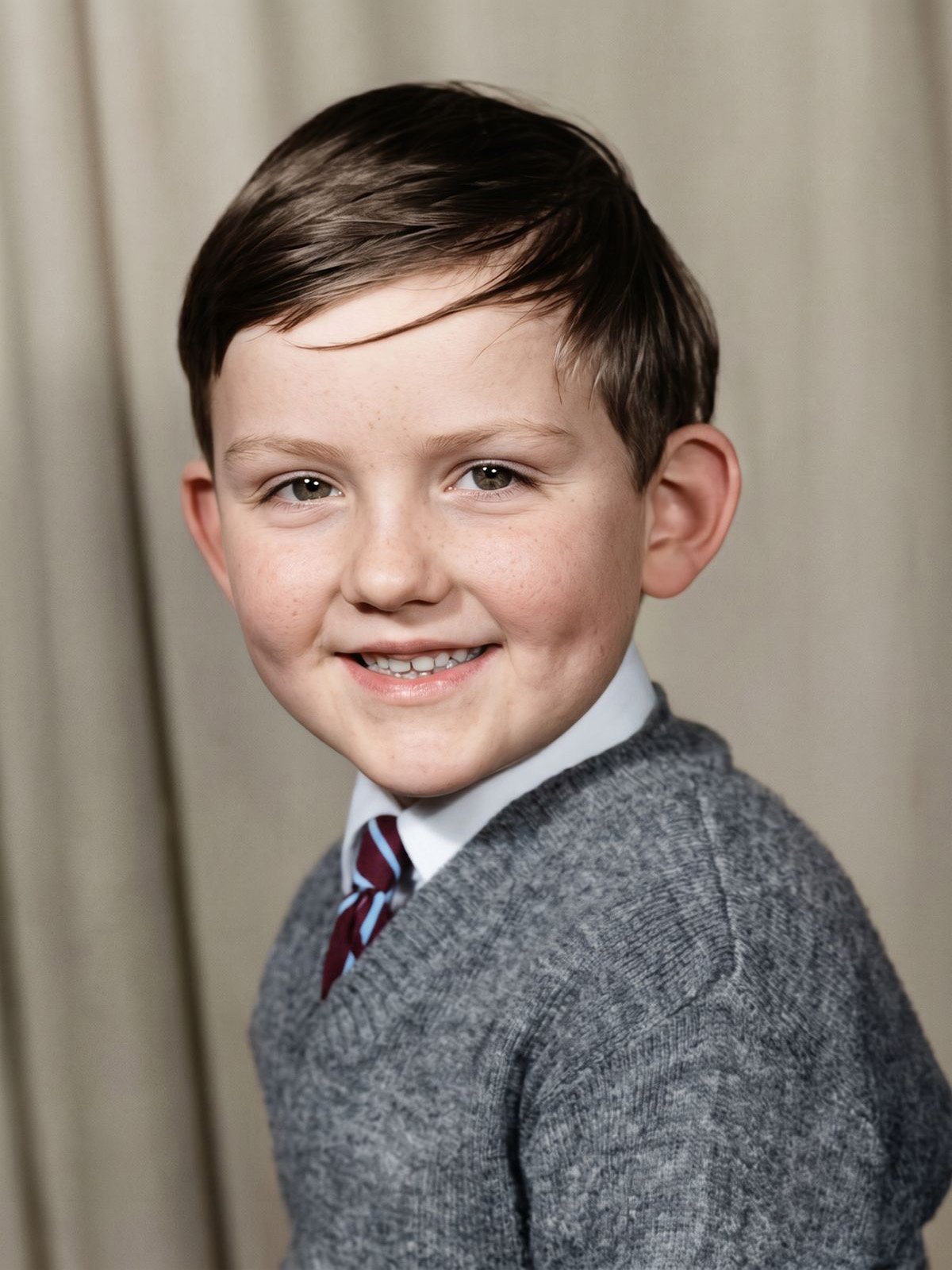
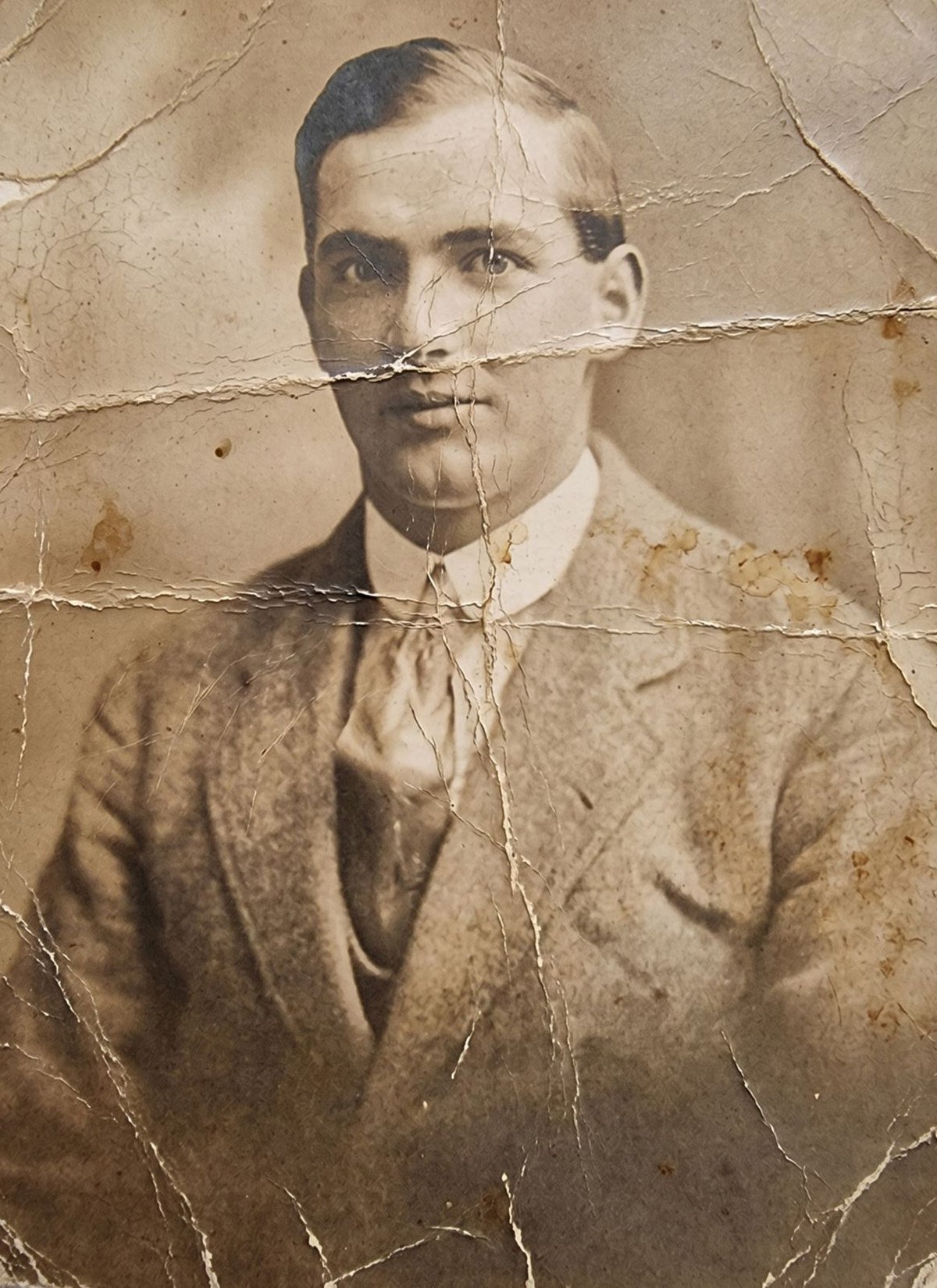
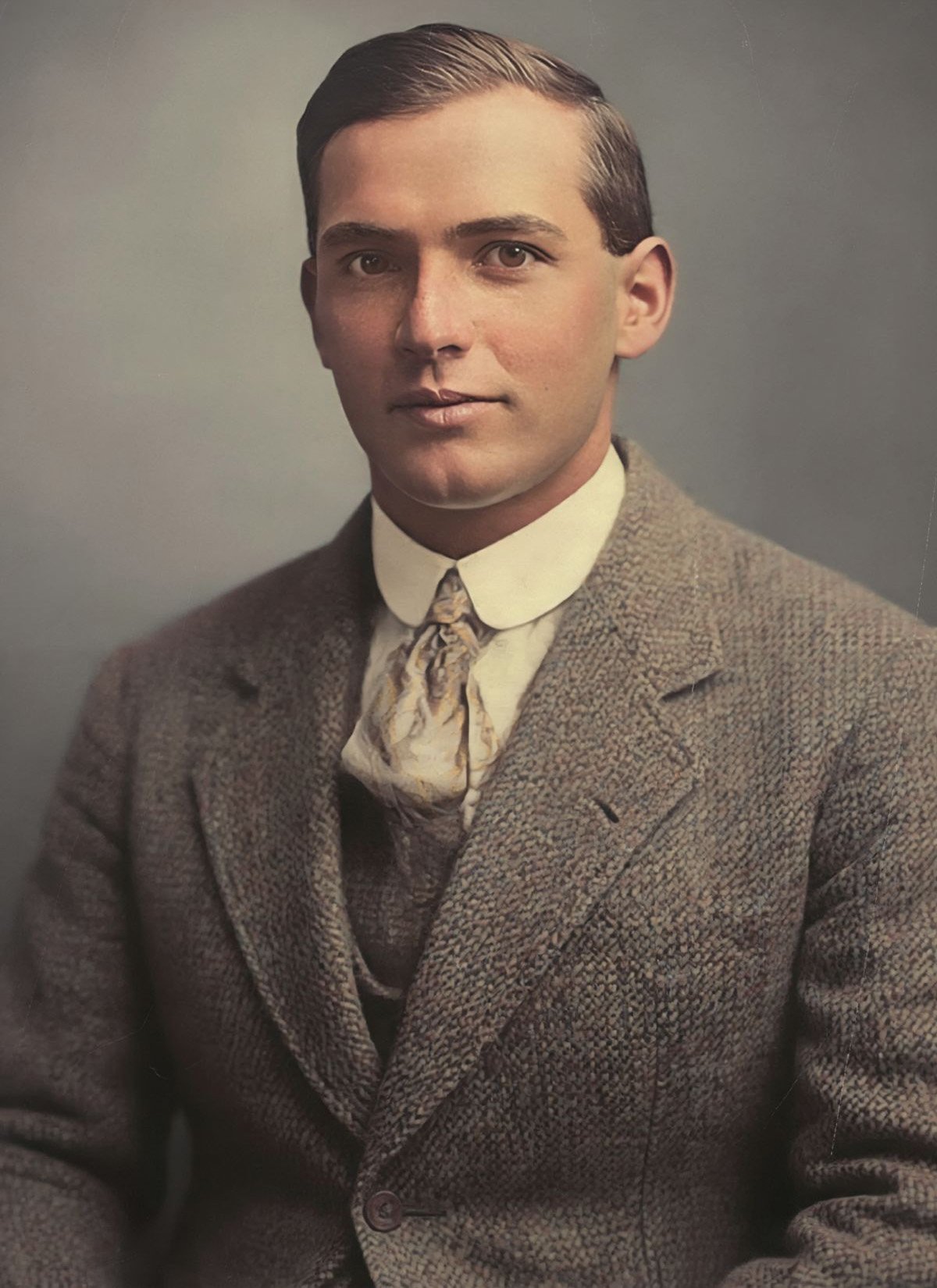
Original severely damaged photograph
The original photograph contains scratches, fading and visible disruption across important facial areas.
Careful hand restoration for photographs affected by tears, creases, missing areas and severe surface damage — while preserving the original character, texture and emotional value of the image.
Most enquiries receive a response within 24 hours with a clear quote and expected turnaround.
Torn photographs often contain missing sections, deep creases, surface loss and disrupted facial detail that cannot be repaired convincingly through automatic processing alone.
Careful hand restoration allows damaged areas to be rebuilt gradually using surrounding texture, tonal reference and visible evidence within the original photograph itself.
The aim is not to make an old photograph look artificially perfect. It is to repair damage in a way that remains believable, respectful to the original image and visually natural when viewed closely.
Direct comparison
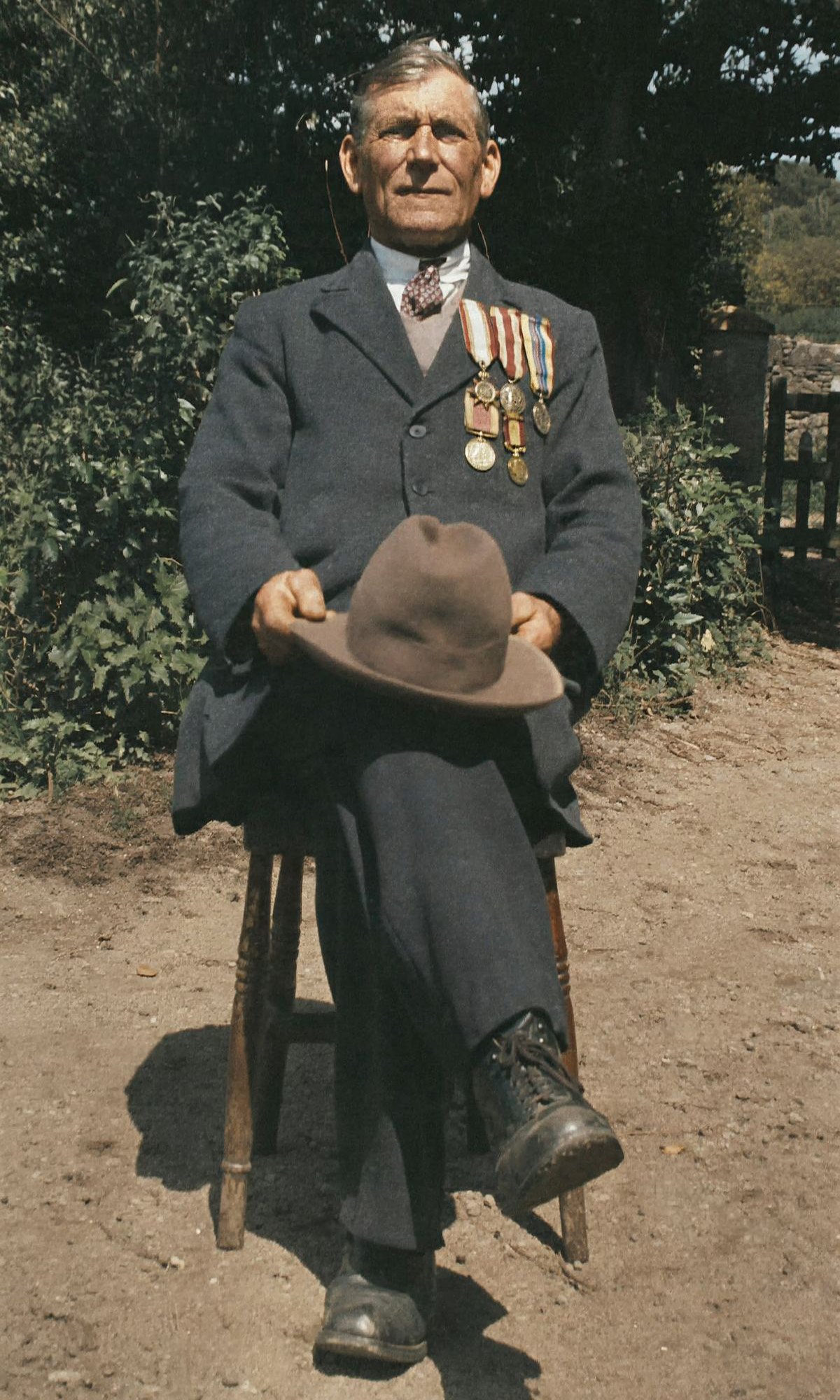
Torn and heavily damaged photographs often require selective reconstruction, texture repair and careful rebuilding of missing detail while preserving the original character of the image.
The original photograph contains scratches, fading and visible disruption across important facial areas.
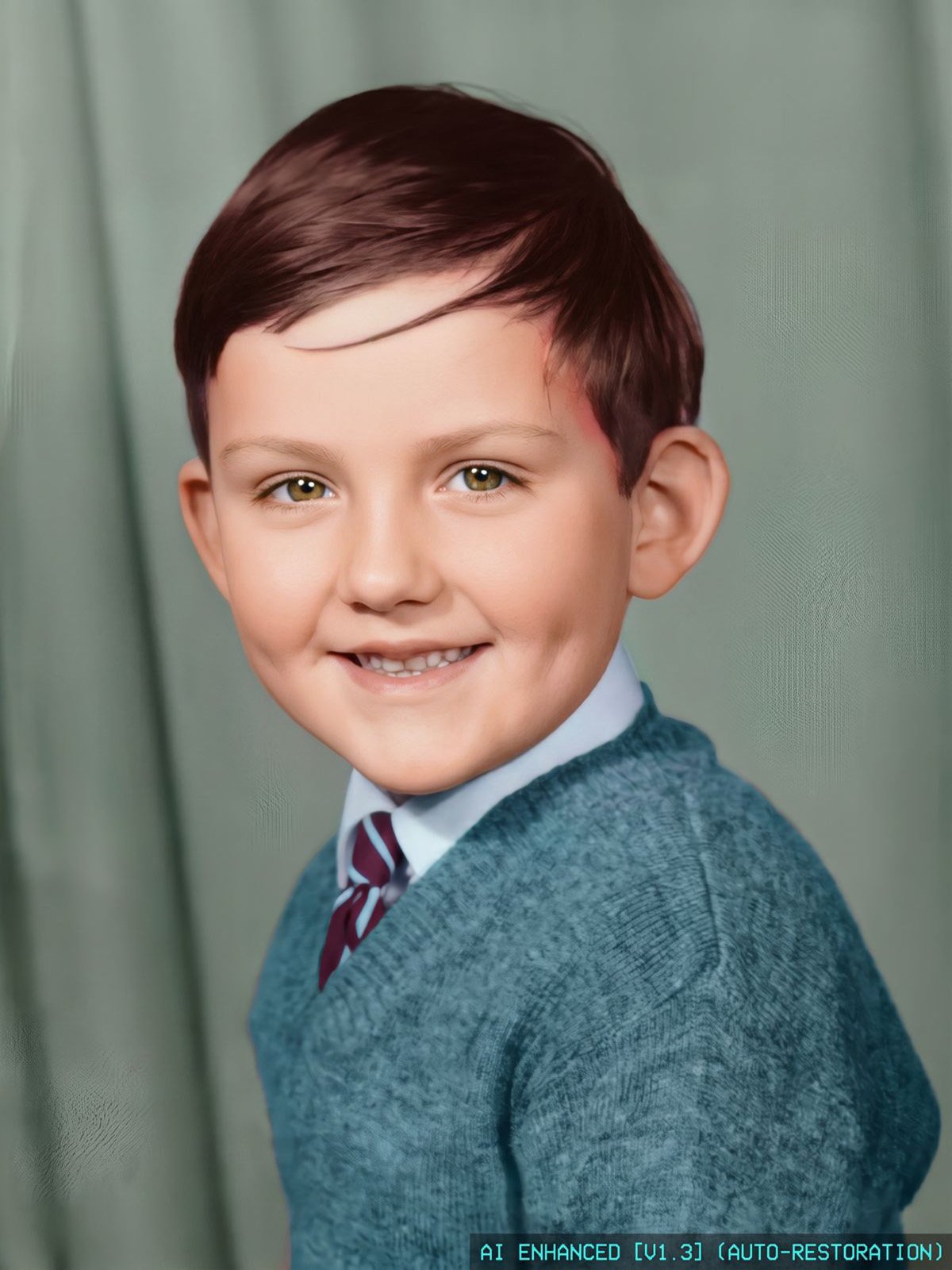
The AI result appears smoother and cleaner at first glance, but facial texture is softened and some detail has been artificially generated rather than restored.
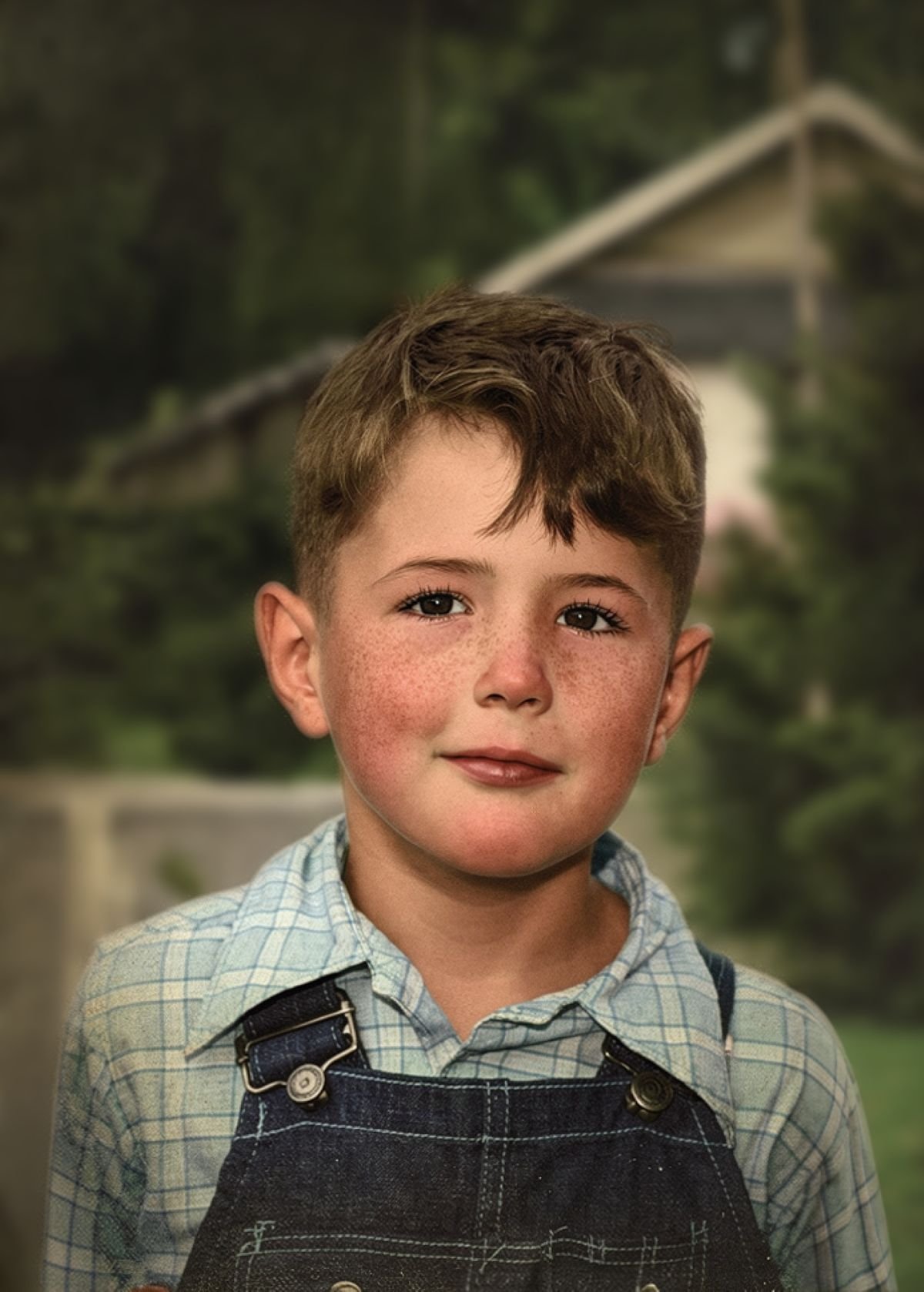
The hand-restored version repairs the damage while preserving expression, texture and the original character of the photograph.
Torn sections and surface loss often require careful reconstruction using surrounding detail as reference rather than artificial generation.
Even small changes to eyes, mouths and facial structure can alter expression and likeness in important family photographs.
Severe creases and tears should be repaired carefully without flattening surrounding texture or removing natural tonal variation.
A good restoration should still feel like the original photograph — not a modern artificial reinterpretation of it.
Hand restoration allows repair decisions to be made deliberately rather than automatically.
The best restoration work often goes unnoticed at first glance.
Close-up detail
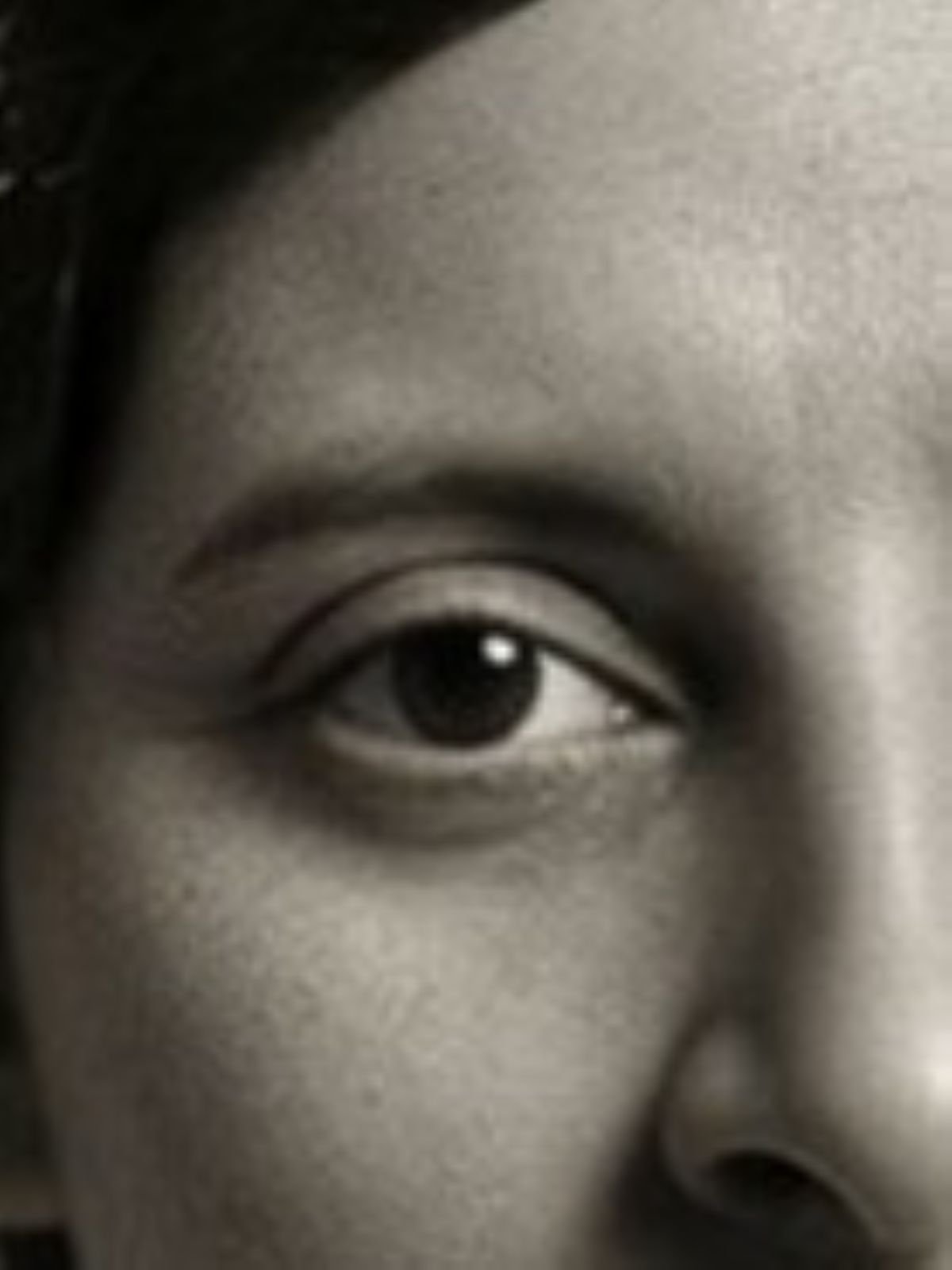
Careful restoration work becomes most visible when examining damaged texture, repaired creases and reconstructed facial detail closely.
Tears, scratches and surface disruption across facial areas require careful reconstruction that preserves expression, tonal variation and natural texture without introducing artificial smoothing.
Severe damage sometimes requires partial reconstruction, but reconstruction should remain guided by visible evidence inside the original photograph rather than synthetic invention.
Sometimes — particularly for quick previews, reconstruction references or rough visualisation.
The problem comes when generated results are treated as faithful restorations of the original photograph.
For family photographs, historical images and archive material, accuracy and preservation are often more important than speed alone.
| Requirement | AI restoration | Hand restoration |
|---|---|---|
| Quick visual improvement | Strong | Slower |
| Faithful facial likeness | Variable | Strong |
| Preserving original texture | Weak | Strong |
| Historical accuracy | Unreliable | Strong |
| Repairing severe damage carefully | Variable | Strong |
| Family and archive preservation | Risk of artificial results | Better suited |
Better scans. Better restorations.
The quality of the scan has a direct effect on the final restoration. A clear, high-resolution file gives more real detail to preserve and reduces the need for guesswork.
This is especially important when repairing faces, faded photographs, torn areas or images with important historical or family detail.
In many cases, yes. Tears, folds, creases and missing sections can often be repaired carefully using surrounding texture and visible detail within the original image as reference.
Often they can. The final result depends on the remaining image information, scan quality and extent of the original damage, but faded photographs can frequently be improved significantly while retaining a natural appearance.
The aim is always to preserve the original character, texture and expression of the photograph rather than creating an artificial or over-processed result.
Missing areas can sometimes be reconstructed carefully using nearby visual reference and symmetry within the original photograph, though the extent of possible repair varies from image to image.
A clear phone photograph is often enough for an initial assessment, though higher-quality scans usually produce the best restoration results.
A clear phone photo is usually enough for an initial assessment, quote and expected turnaround.