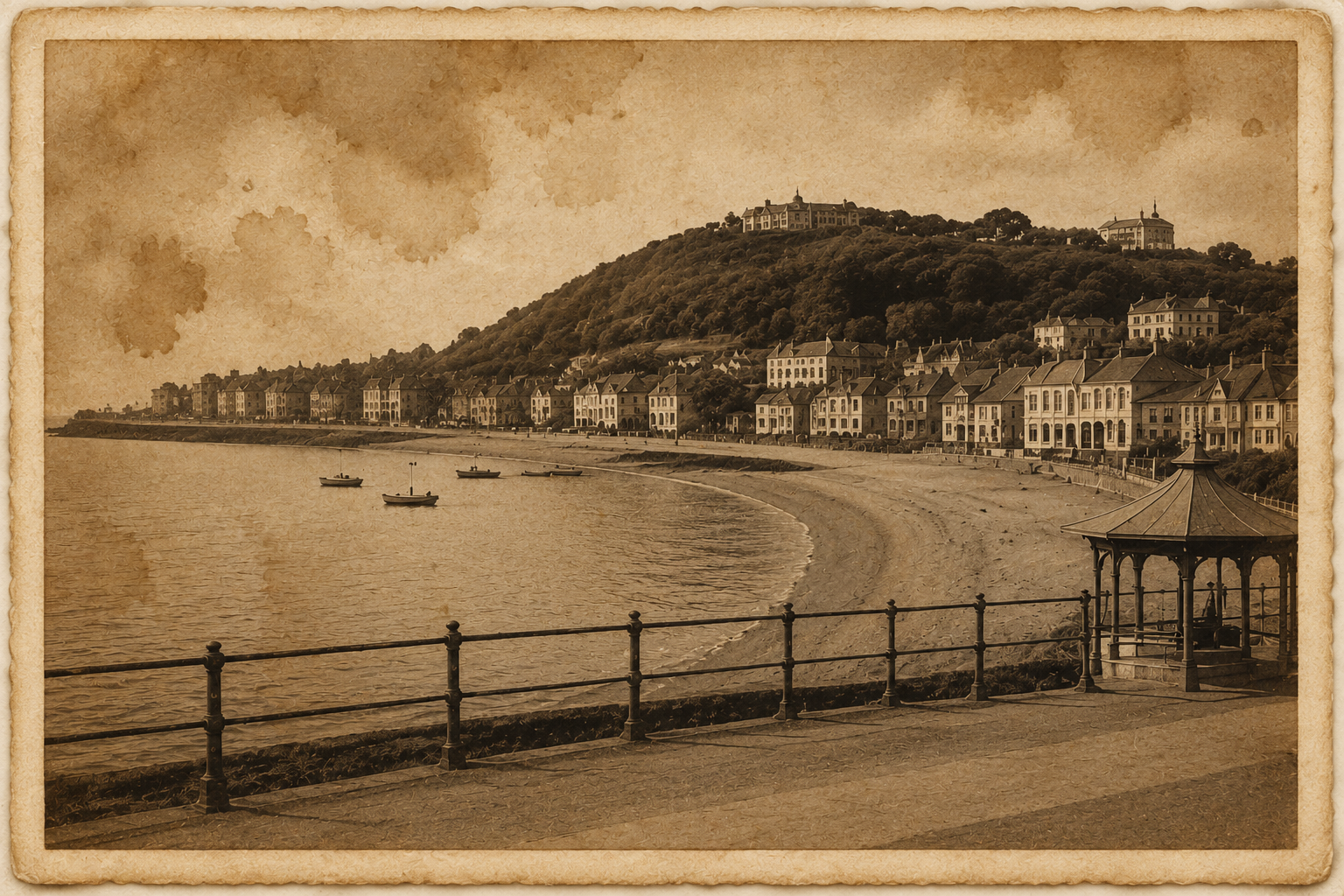
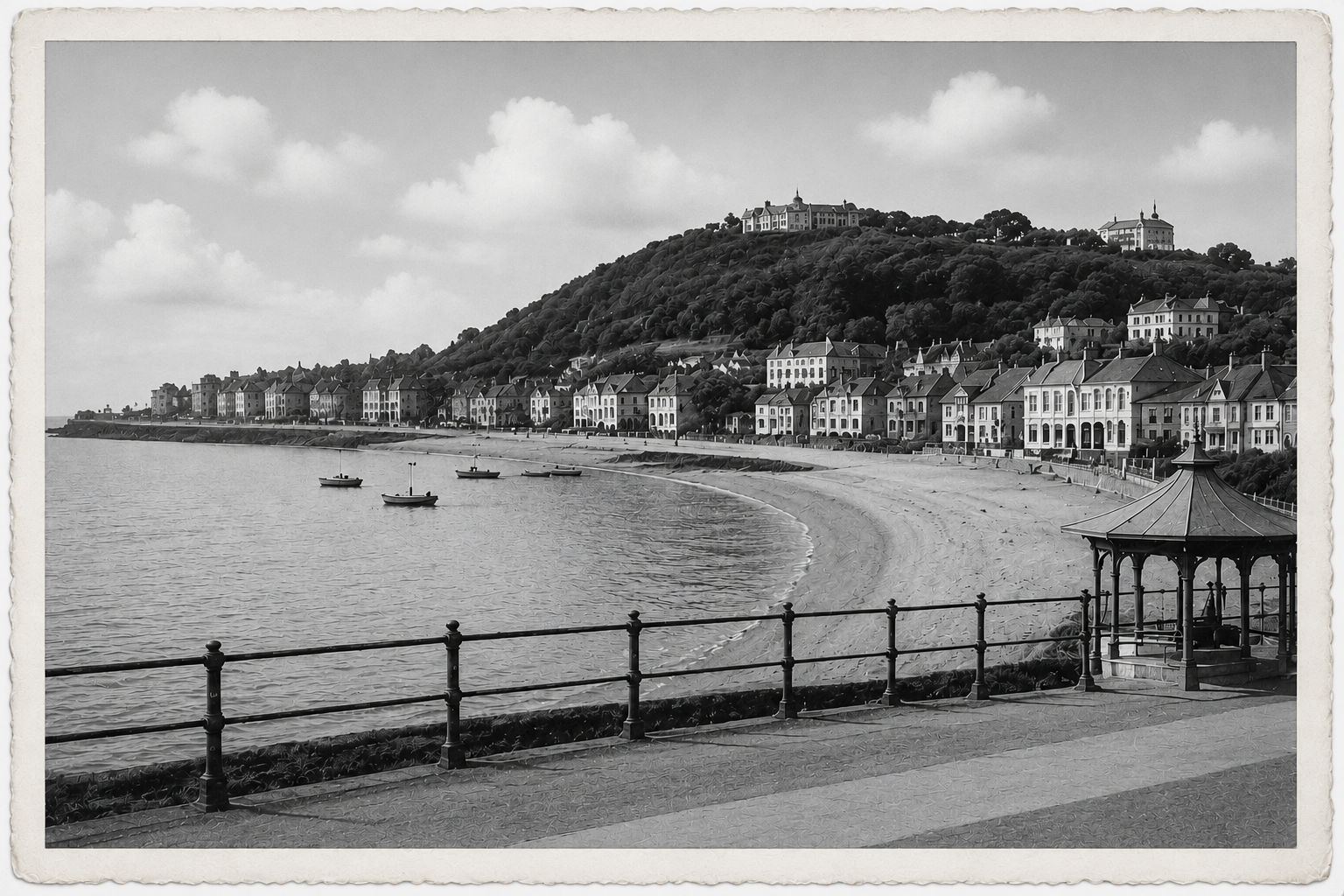
Water stains and tide marks reduced
Visible water staining and tide marks are reduced gradually so the photograph retains a natural, believable appearance rather than looking artificially cleaned.

Water-Damaged Photo Restoration
In many cases, yes. Water-damaged photographs can often be improved through careful assessment, safe digitisation and hand restoration.
Water can leave tide marks, staining, softened surfaces, distortion, mould risk and loss of detail. The right next step depends on how wet the photograph became, whether it has dried, whether the image surface is stable and whether mould or sticking is present.
Past2Perfect focuses on photograph restoration and preservation, not general art conservation. Each water-damaged photograph is assessed individually so the restoration remains realistic, careful and respectful to the original image.
A clear phone photograph is usually enough for an initial view. Do not rub, heat, flatten or separate stuck photographs before asking for advice.

Before

After
Water-damaged photographs can often be restored, but the result depends on the type of photograph, how long it remained wet, whether the image surface has softened or lifted and how much original detail remains visible.
Restoration can usually reduce stains, tide marks, blotches, discolouration and some surface disruption. Where detail is missing, it may be possible to rebuild areas carefully using surrounding texture, tone and visible reference within the original photograph.
The safest first step is assessment before cleaning, flattening, scanning or attempting repair at home.
Photograph Damage
Water can affect both the paper support and the image surface. The damage is not always just a visible stain.
The most common damage after water exposure comes from trying to fix the photograph too quickly. A wet or recently dried photograph can be more fragile than it looks.
Handling Advice
General cleaning guidance only applies to stable, dry photographs. If the photograph is water-damaged, sticky, mouldy, flaking or stuck to another surface, it should be assessed first.
Mould may be a risk if photographs have been stored damp, smell musty, show powdery marks, have spotty growth or remain in sealed boxes, albums or sleeves after water exposure.
Mould risk changes how a photograph should be handled. Brushing or scanning a mould-affected photograph without assessment can spread contamination and may damage the image surface further.
If you suspect mould, isolate the photograph from the rest of the collection, avoid rubbing the surface and ask for advice before cleaning or scanning it.
Contact Past2Perfect About Mould RiskBefore & After Examples
These examples show how staining, fading, tonal loss and water-related disruption can be reduced while keeping the photograph natural and believable.
Visible water staining and tide marks are reduced gradually so the photograph retains a natural, believable appearance rather than looking artificially cleaned.
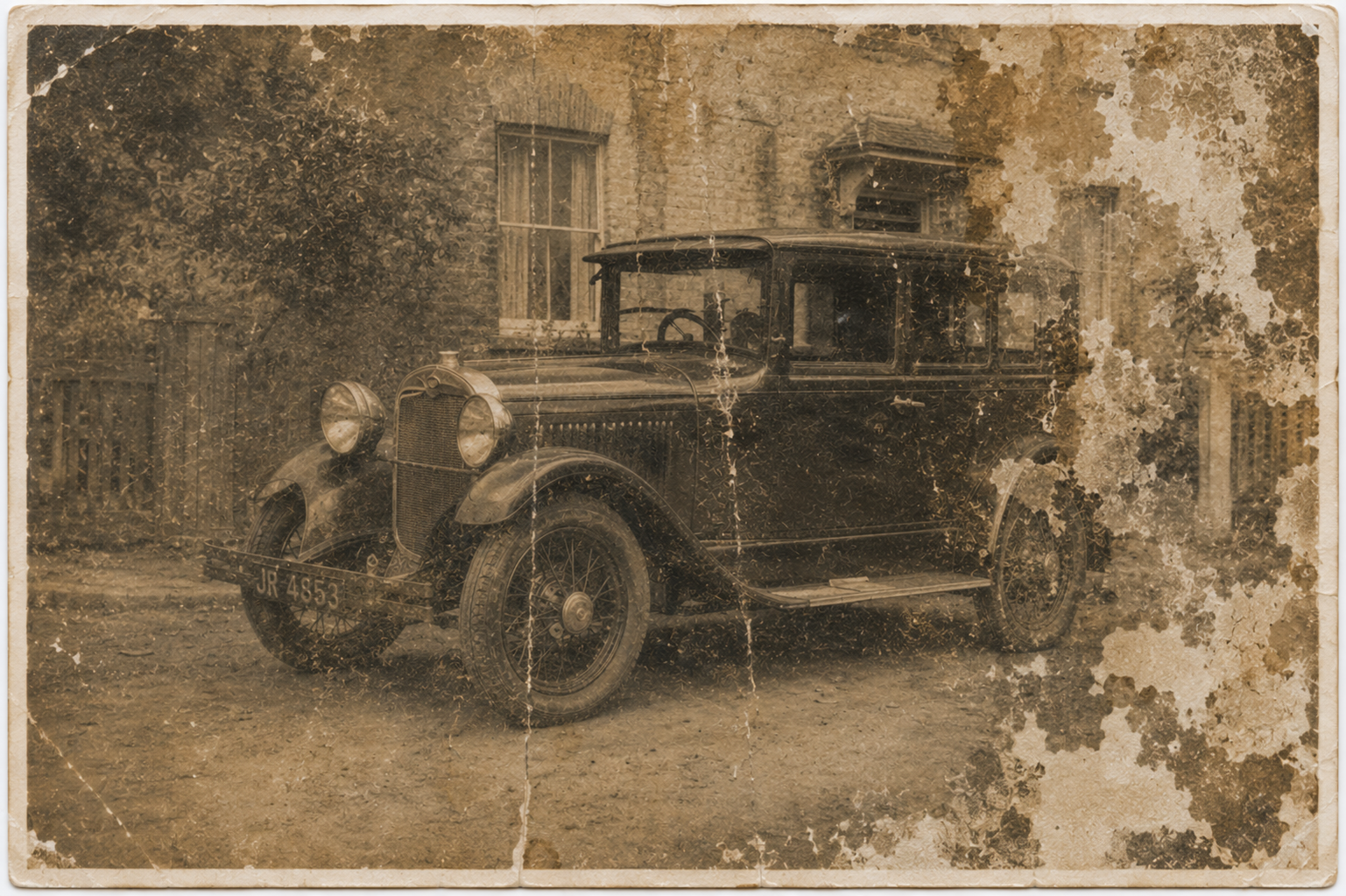
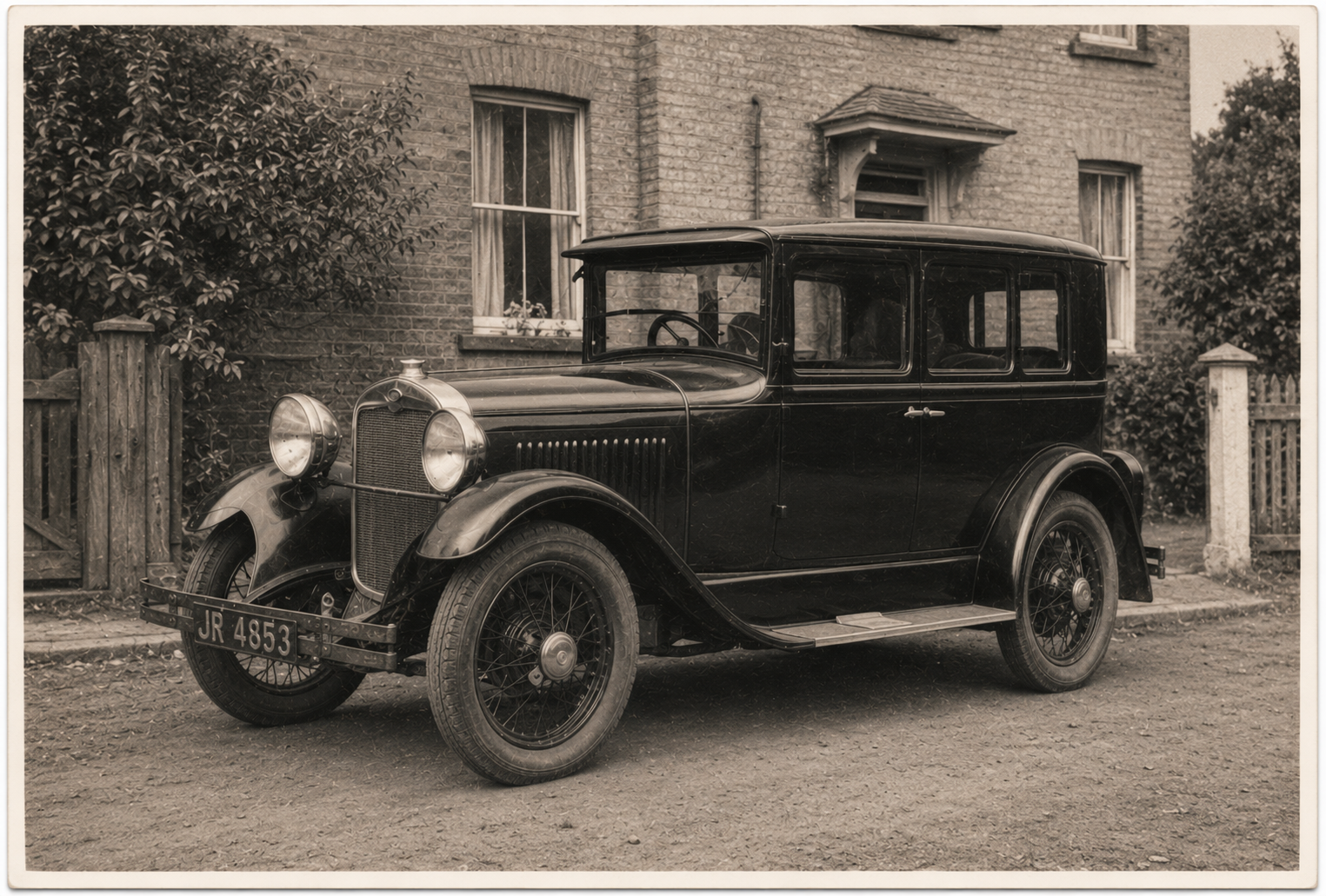
Damaged areas are repaired using surviving image information, surrounding texture and careful tonal reference. Where detail is completely missing, the possible result depends on the remaining evidence.
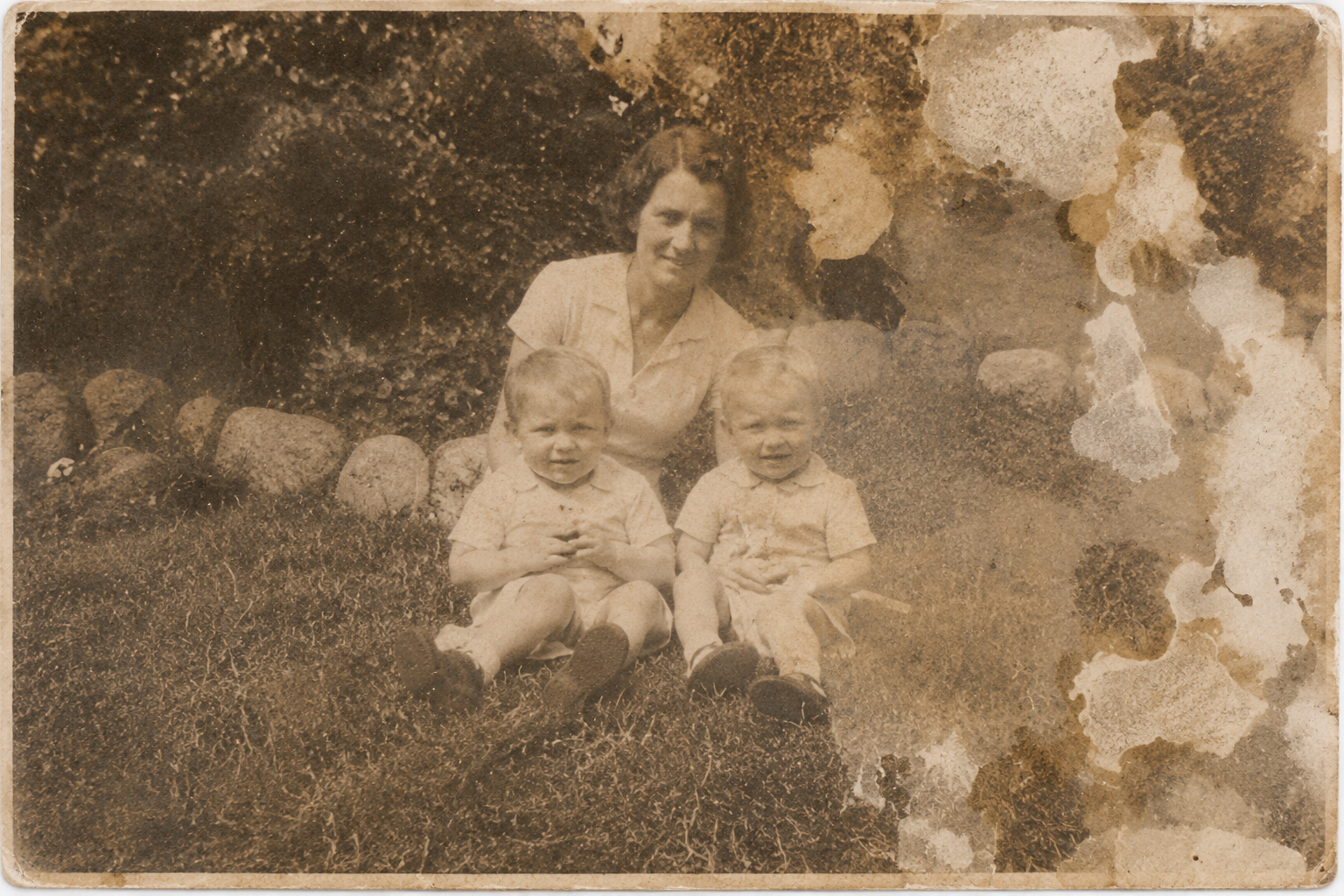
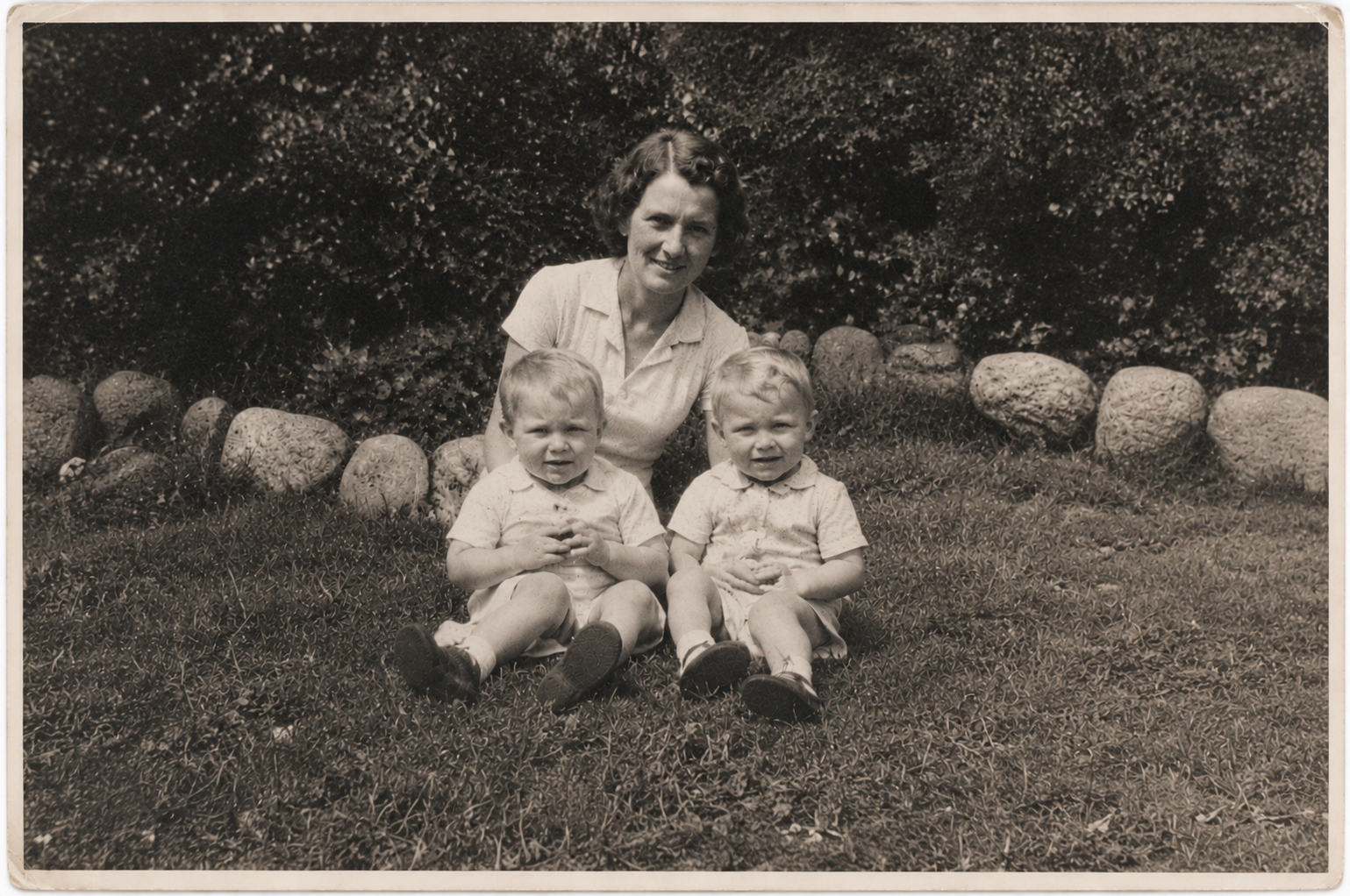
Tonal depth is restored with restraint so the final photograph remains consistent with the age, texture and character of the original print.
Water-damaged photo restoration can often reduce visible staining, improve tonal balance, repair marks and rebuild areas where enough surrounding detail remains. It can also make a clearer digital version suitable for printing, sharing or archiving.
Restoration cannot always recover detail that has been completely destroyed, and it should not invent important facial features or historical details without visual evidence. A careful restoration should improve the photograph while remaining honest about the original.
A scan or clear digital photograph may need to be made before any further handling if the original is fragile, distorted or at risk of further surface loss. The digital file then becomes the working restoration copy, helping to protect the physical print.
Do not press a curled, sticky or flaking photograph hard against scanner glass. If the photograph is stable and dry, careful scanning can capture more detail than a phone image. If it is unstable, ask for advice before scanning.
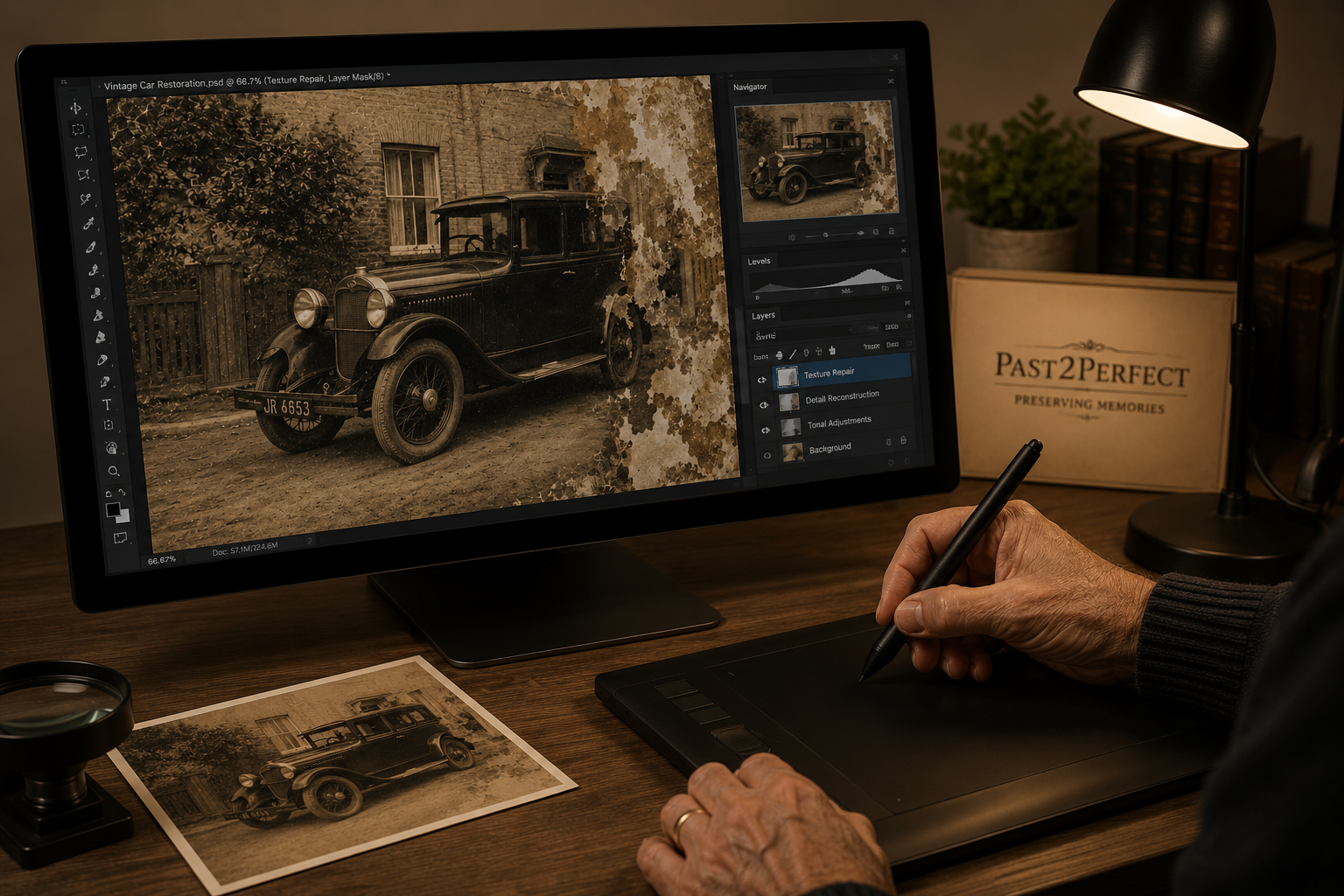
The process begins with assessment. Water-damaged photographs vary widely, so the first task is to understand the type of damage, the stability of the surface and the realistic restoration outcome.
The aim is not to make the photograph look artificially new. The aim is to make the damage less distracting while preserving the original character of the image.
Questions
In many cases, yes. Staining, tide marks, tonal loss and some damaged areas can often be improved through careful digitisation and hand restoration. The result depends on how much original image information remains.
No. Avoid hairdryers, radiators, irons and direct heat. Heat can distort the paper, damage the surface and make staining or sticking worse.
Not unless it is completely dry, stable and free from mould, flaking or sticking. Water-damaged photographs should be assessed before cleaning because rubbing can remove image detail.
Do not pull it away. Stuck photographs can tear or lose the image surface if separated incorrectly. A clear photograph of the item is usually enough for initial advice.
Sometimes, but mould risk changes the handling process. Do not brush, scan or store suspected mouldy photographs with the rest of a collection until they have been assessed.
Related Past2Perfect Guides
Assessment
Send a clear image for an initial assessment. Include whether the photograph is still wet, already dry, mouldy, stuck to another surface, curled, stained or fragile.